Dec 12, 2025
Content
8 Inspiring Social Web Design Ideas to Try in 2026
The landscape of social web design is transforming at a remarkable pace, driven by new technologies and shifting user expectations. Staying ahead in 2026 means embracing trends that redefine how communities connect and interact online.
This article uncovers eight inspiring social web design ideas set to shape digital experiences in the coming year. These concepts are not just trends—they are practical strategies that designers, developers, and business leaders can leverage for success.
Innovative social web design is essential for boosting user engagement, increasing retention, and fueling sustainable brand growth in today’s digital world. By adopting forward-thinking approaches, you can create vibrant, loyal communities.
Explore the eight unique ideas below for actionable inspiration. Discover how to elevate your next project and lead the way in the future of social web design.
The Evolution of Social Web Design: Trends Shaping 2026
The landscape of social web design is entering a new era, driven by rapid technological shifts and changing user expectations. As we look toward 2026, designers and developers must adapt to these emerging trends to create platforms that foster deeper connections and lasting engagement. Staying informed about innovations in social web design is essential for anyone aiming to build thriving online communities. For a wider perspective on future-focused trends, consider exploring Web Design Trends for 2026.
The Rise of Community-Centric Platforms
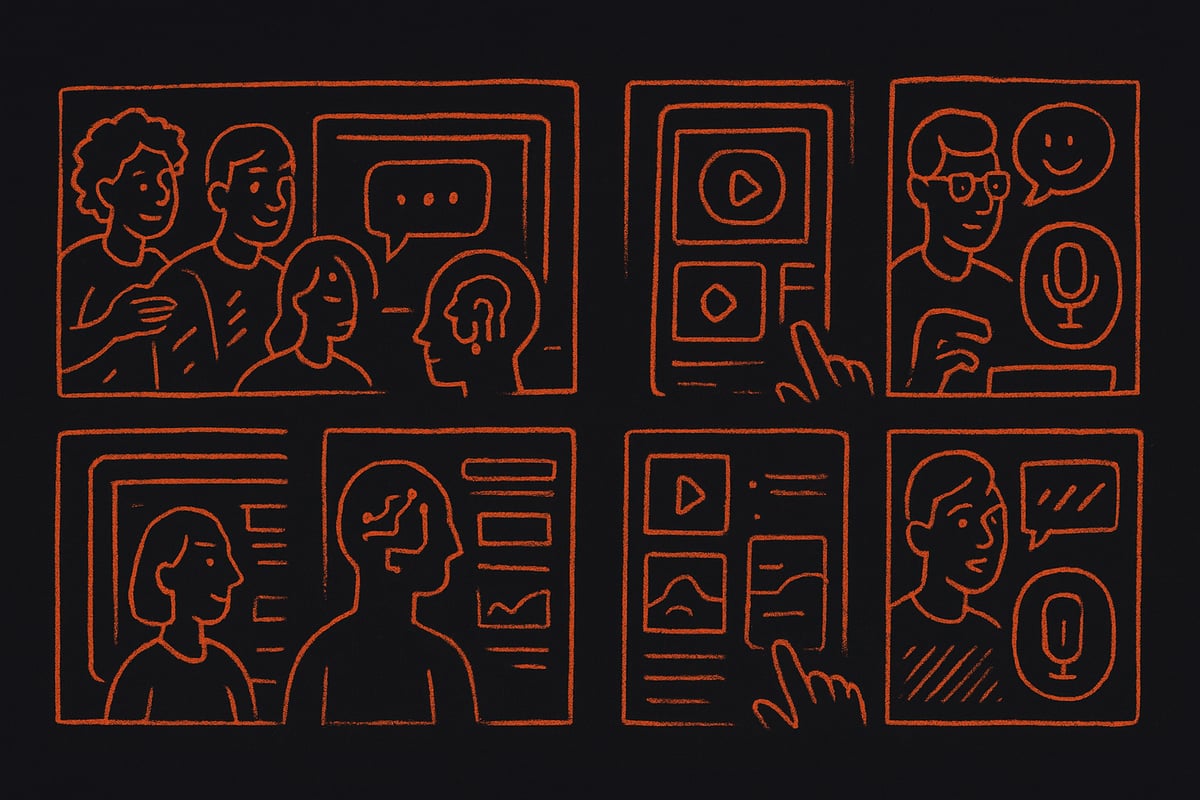
In 2026, social web design is shifting away from solo experiences and focusing on building community-driven platforms. Instead of emphasizing individual profiles, leading networks are prioritizing group interactions and niche communities. For example, Discord’s explosive growth and the rise of specialized platforms for professionals and hobbyists showcase this trend. These community-centric spaces encourage users to participate in shared interests, increasing session times and boosting retention. Data reveals that platforms with strong group engagement see higher activity and loyalty. By designing for belonging and collaboration, social web design drives deeper connections and long-term success.
Integrating AI and Automation for Personalization
Artificial intelligence is revolutionizing social web design by enabling highly personalized user experiences. AI-driven features, such as curated feeds and smart recommendations, make content more relevant and engaging. TikTok’s “For You” feed is a prime example, using machine learning to adapt to user preferences in real time. Automated moderation tools also enhance safety and trust within communities. According to competitor insights, 72% of users now prefer personalized interactions. This focus on AI and automation in social web design leads to higher engagement, reduced churn, and communities that feel uniquely tailored to every member.
Visual Storytelling and Dynamic Content
Modern social web design places strong emphasis on visual-first interfaces. Stories, reels, and interactive media have become fundamental elements, transforming the way brands and users communicate. Platforms like Instagram and Snapchat set the pace, popularizing vertical video and micro-interactions. The result is a more immersive and immediate form of storytelling. Data shows that video content generates 1200% more shares than text and images combined. By prioritizing dynamic visuals, social web design increases user participation and amplifies brand narratives, making digital experiences more memorable and shareable.
Accessibility and Inclusive Design in Social Platforms
Accessibility is no longer optional in social web design, especially as audiences become more diverse. Platforms are implementing WCAG standards, alt text, high-contrast modes, and voice navigation to ensure everyone can participate. Twitter’s alt text reminders and Clubhouse’s live captioning are leading examples of this shift. Prioritizing inclusive features not only broadens reach but also improves user satisfaction. Accessibility is now recognized as a competitive advantage in 2026, with social web design playing a critical role in building platforms that welcome all users and foster inclusive online communities.
8 Inspiring Social Web Design Ideas to Try in 2026
The future of social web design is bold, dynamic, and user-focused. As digital communities evolve, designers must embrace cutting-edge ideas to stay ahead. Below, discover eight transformative concepts set to redefine how people connect, collaborate, and engage online in 2026.
1. Hyper-Personalized Social Feeds with AI
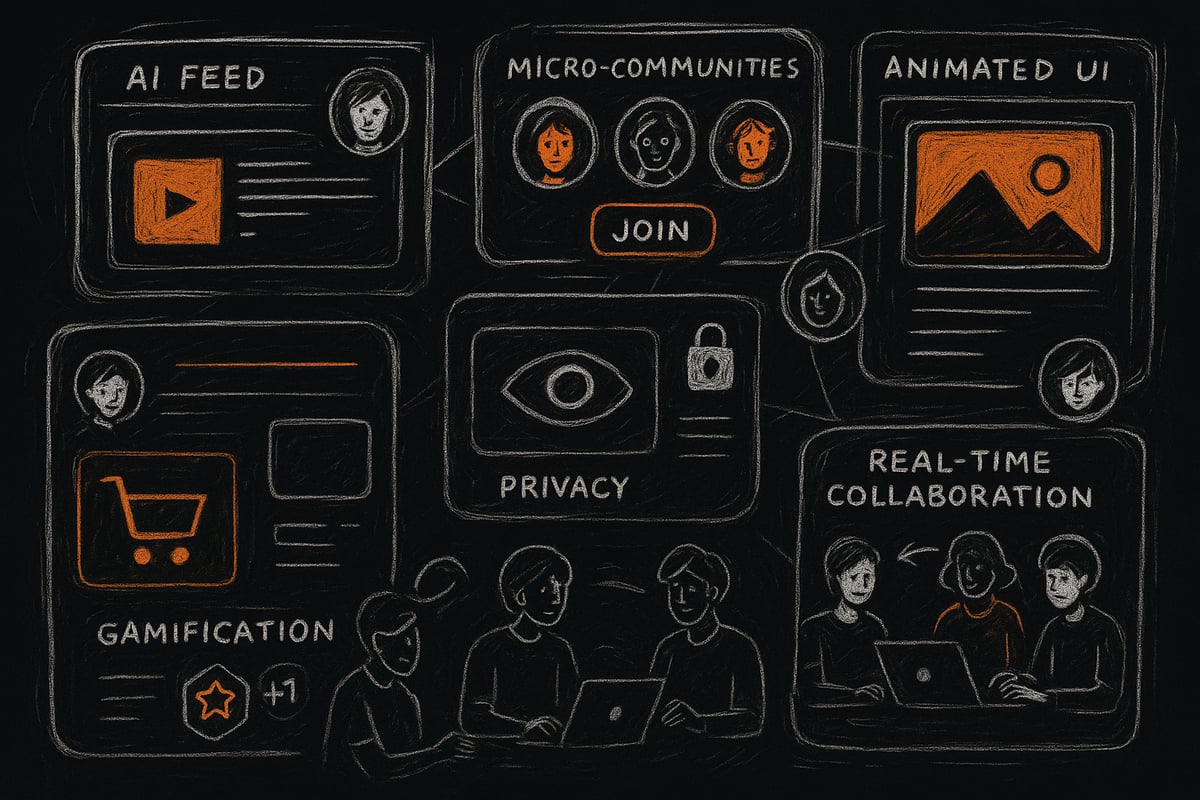
Personalization is revolutionizing social web design in 2026. Machine learning now curates individualized content streams, adapting in real time to user interests and behaviors. Features include interest tagging, predictive suggestions, and smart filtering, ensuring each feed feels tailor-made.
For instance, LinkedIn leverages AI to recommend jobs and content, making each user’s experience unique. This approach keeps users engaged longer and encourages deeper exploration. Importantly, platforms balance personalization with privacy, offering transparency in feed algorithms and clear data controls.
Ethical use of AI is a growing priority. Designers must explain how recommendations work and allow users to adjust preferences. To implement, focus on clear onboarding, visible customization options, and feedback loops.
A recent study highlights that AI-powered personalization in web design significantly boosts user engagement and retention. By weaving AI responsibly into social web design, brands can foster loyalty and trust.
Implementation Tips:
Use transparent algorithm explanations.
Prioritize privacy settings in the UI.
Offer real-time feedback on content preferences.
2. Immersive Micro-Communities and Niche Networks
In 2026, social web design increasingly centers on micro-communities and niche networks. Instead of mass appeal, platforms now prioritize specialized groups with shared interests. This fosters deeper connections and higher engagement.
Features such as customizable group spaces, topic-based feeds, and exclusive virtual events allow users to personalize their experience. Substack’s expanding community features and Discord’s server customization exemplify this trend.
Designers should focus on intuitive onboarding, robust moderation tools, and flexible group settings. With niche networks, engagement rates can double compared to general platforms, transforming how brands approach community building.
Monetization opportunities abound. Premium memberships, exclusive content, and special events offer value to both users and creators. Social web design that supports these models helps brands grow loyal, active audiences.
Key Considerations:
Easy onboarding for new members.
Advanced moderation tools.
Monetization through premium experiences.
3. Seamless Social Commerce Integration
Shopping and social interaction have merged in modern social web design. Platforms now embed commerce features directly into the user flow, reducing friction from discovery to purchase.
Key features include shoppable posts, live stream commerce, and integrated checkouts. Instagram Shops and TikTok Shopping lead the way, allowing users to buy products without leaving the platform. Influencers often drive these experiences, blending authentic recommendations with commerce.
Designers must balance shopping with genuine social interaction. Clear calls to action, unobtrusive product tags, and engaging live streams are essential. With 81% of shoppers researching products on social media before buying, seamless integration is a must for future-ready social web design.
Best Practices:
Integrate commerce naturally within feeds.
Use interactive product demos and live events.
Maintain authenticity in influencer partnerships.
4. Next-Level Accessibility and Inclusive Interactions
Accessibility is at the core of effective social web design in 2026. Platforms now prioritize universal design, ensuring everyone can participate fully. Voice control, screen reader optimization, and adaptive layouts are standard.
Twitter’s alt text prompts and Facebook’s comprehensive accessibility settings lead the industry. Real-time translation, customizable interfaces, and gesture-based navigation make platforms more inclusive.
Designers should conduct regular accessibility audits and use testing tools to identify gaps. Social web design that prioritizes inclusivity not only meets legal requirements but also expands audience reach and drives loyalty.
Implementation Tips:
Regularly test with assistive technologies.
Offer customizable UI themes.
Provide real-time translation for global audiences.
5. Dynamic Visual Storytelling with Animated UI Elements
Visual storytelling dominates social web design trends. Platforms use micro-animations, interactive graphics, and dynamic backgrounds to engage users and make content memorable.
Snapchat’s AR filters and Instagram Stories’ interactive stickers are prime examples. Live reactions, animated avatars, and responsive transitions increase participation and keep users coming back.
Performance optimization is critical. Designers must ensure animations load quickly and remain accessible. Animated content can boost interaction rates by up to 60%, making it a powerful tool in social web design.
Design Considerations:
Optimize for fast loading and smooth transitions.
Ensure animations are accessible to all users.
Balance visual flair with usability.
6. Privacy-First Design and User Empowerment
Trust is a competitive advantage in social web design. Privacy-first platforms offer transparent controls, granular data permissions, and clear ownership of user content.
Signal’s end-to-end encryption and Mastodon’s customizable sharing options set industry standards. Users want to know how their data is used and to control what they share.
Designers should integrate privacy dashboards and make policies understandable within the UI. With 67% of users prioritizing privacy, empowering users builds trust and differentiates brands in a crowded market.
Key Features:
User-friendly privacy dashboards.
End-to-end encryption by default.
Clear, simple privacy policy explanations.
7. Gamification for Community Engagement
Gamification injects fun and motivation into social web design. Platforms use badges, leaderboards, challenges, and rewards to boost participation and loyalty.
Reddit’s community awards and Duolingo’s streaks show how achievement systems drive engagement. Progress tracking and social competitions encourage positive, inclusive behavior while fostering viral growth.
Designers must avoid gamification fatigue by offering meaningful incentives. A well-designed system can increase daily active users by 48%, making gamification a central part of modern social web design.
Design Tips:
Use rewards that align with community values.
Track achievements without overwhelming users.
Encourage collaboration and friendly competition.
8. Real-Time Collaboration and Co-Creation Tools
The future of social web design supports real-time collaboration and co-creation. Users can now create, edit, and interact together instantly, making digital spaces more creative and engaging.
Figma’s multiplayer design features and Facebook Rooms exemplify this shift. Shared whiteboards, collaborative posts, and live editing tools foster deeper community connections and creativity.
Technical challenges include moderation and version control, but the benefits are substantial. Social web design that enables real-time collaboration transforms platforms from passive consumption hubs to active creation spaces.
Considerations:
Implement intuitive interfaces for collaboration.
Ensure robust moderation tools.
Provide clear version control and rollback options.
Designing for the Future: Essential Best Practices for Social Web Experiences
Staying competitive in the rapidly shifting landscape of social web design demands more than creative flair. It requires a focus on usability, adaptability, and performance. By implementing proven best practices, platforms can deliver experiences that attract, engage, and retain users. The following guidelines will help you future-proof your social web design strategies.
User-Centric Navigation and Flow
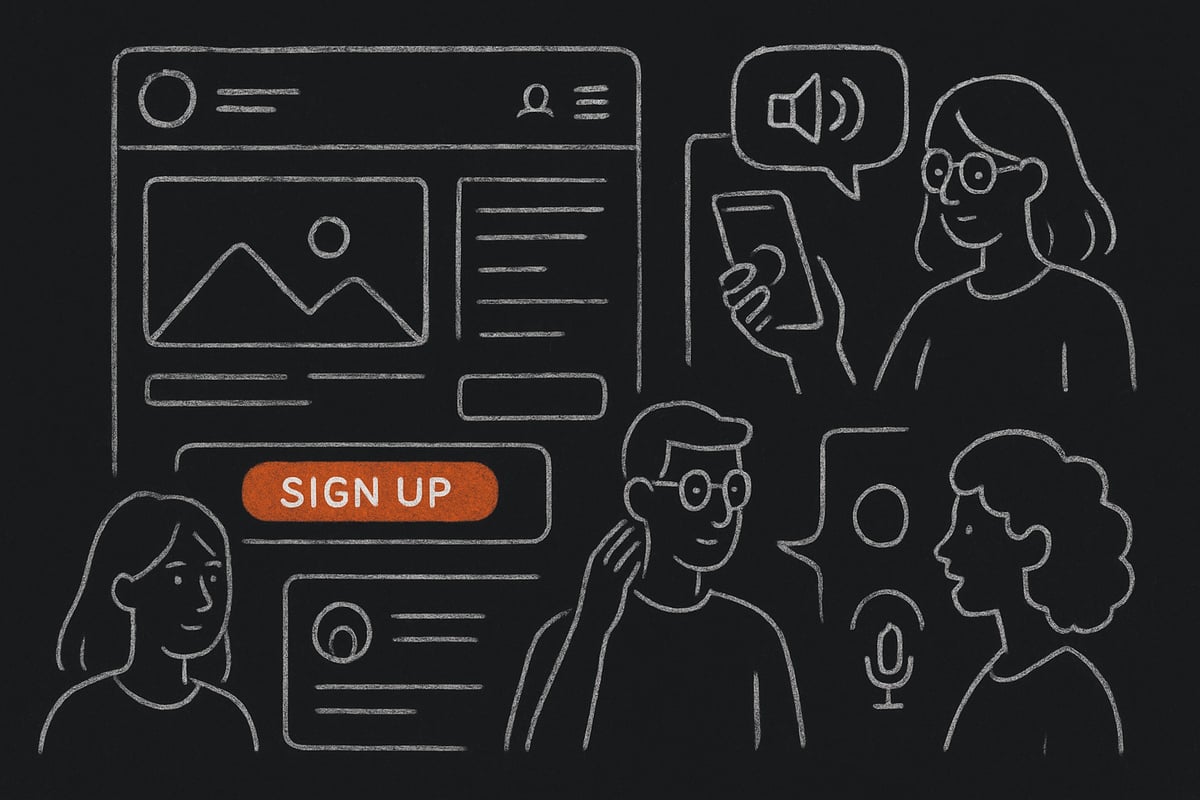
Effective social web design starts with intuitive navigation. Menus should be logical and easy to locate, while content flows should guide users naturally from onboarding to active engagement. Consider mapping user journeys to identify friction points and streamline each interaction.
For example, platforms like Facebook and TikTok have simplified their navigation, making it effortless for users to find what matters most. According to industry data, 88% of users abandon sites with confusing navigation.
To achieve this, prioritize clear menus, progressive onboarding, and contextual prompts. For deeper insights, explore UX design and marketing insights to understand how user experience influences engagement in social web design.
Responsive and Mobile-First Design
Modern social web design must accommodate users across all devices. With over 70% of social media access happening on mobile, responsive layouts and touch-friendly elements are essential.
Instagram’s mobile-optimized interface is a benchmark for delivering seamless experiences, regardless of screen size. Adaptive layouts, scalable images, and fast load times contribute to user satisfaction.
Best practices include rigorous mobile usability testing and ensuring every feature works flawlessly on smartphones and tablets. This approach keeps your social web design accessible to the widest possible audience.
Visual Hierarchy and Content Prioritization
A successful social web design uses visual hierarchy to direct attention. Elements such as size, color, and spacing help users focus on key actions and content. Pinterest’s card-based layouts and LinkedIn’s feed structure are prime examples.
To boost engagement, highlight calls to action and prioritize important updates. Research shows that strong visual hierarchy can improve engagement rates by 36%. Balance aesthetics with clarity, ensuring users can easily scan and interact with content.
A simple table can help summarize best practices:
Principle | Impact |
|---|---|
Size & Color | Draws user attention |
Clear Spacing | Reduces clutter |
Highlighted CTAs | Increases interactions |
Interactive and Fast-Loading Elements
Speed and interactivity are critical for social web design success. Users expect real-time feedback, smooth micro-interactions, and instant content loading. Platforms like Twitter and YouTube set the standard with live notifications and instant previews.
Performance matters: 53% of users will leave if a site takes longer than three seconds to load. Optimize images, use lazy loading, and leverage CDNs for quick delivery. Prioritizing fast, interactive elements keeps users engaged and coming back.
By applying these best practices, your social web design will meet the expectations of modern users and set the stage for sustainable growth.
Measuring Success: KPIs and Analytics for Social Web Design in 2026
Understanding how your platform performs is essential in social web design. Effective analytics empower teams to measure user engagement, optimize experiences, and drive growth. In 2026, the right KPIs can distinguish thriving communities from those left behind by digital trends.
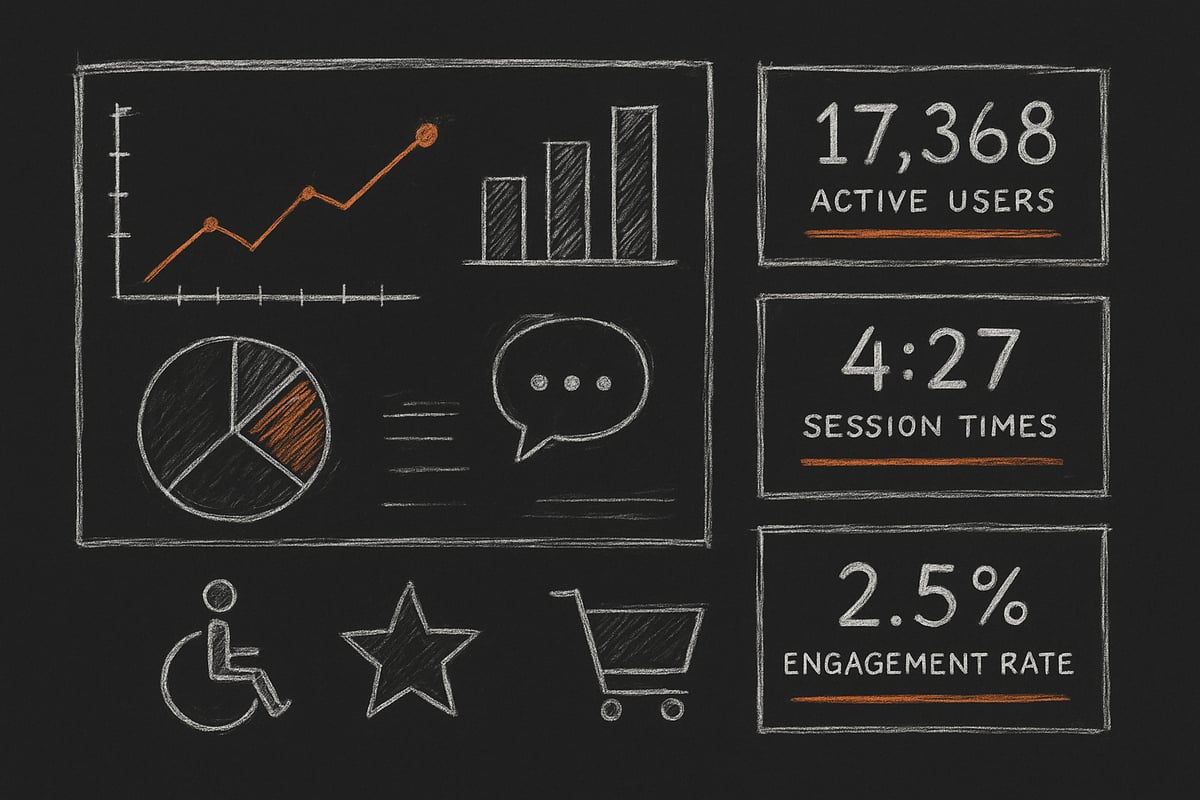
Key Metrics for Engagement and Growth
Tracking the right metrics is the foundation of successful social web design. Focus on active users, average session duration, and interaction rates to gauge real community health. Platforms like Discord and Instagram use these KPIs to benchmark engagement.
Consider the impact of strong engagement on retention. Data shows platforms with robust community features see twice the retention rates of those without. Set realistic KPIs for new features, such as aiming for a 10% lift in daily active users within six months.
Compare competitor benchmarks to refine your strategy. Regularly review analytics dashboards to spot trends and act quickly. By prioritizing these engagement metrics, social web design teams can drive sustainable growth.
User Feedback and Iterative Improvement
Continuous improvement is at the core of effective social web design. Gathering user feedback through surveys, in-app prompts, and social listening tools is critical. Platforms like Dribbble and Reddit have built strong feedback loops, allowing for rapid iteration.
Data reveals that teams using regular feedback see product improvements 30% faster. Consider best practices such as acting promptly on suggestions and communicating changes to your user base.
To foster user trust, make feedback easy to submit and acknowledge contributions. This process ensures your social web design evolves with community needs, keeping engagement high and experiences fresh.
Accessibility and Inclusivity Metrics
Accessibility is not just a compliance checkbox, it is a vital component of modern social web design. Track metrics like WCAG compliance, usage rates of assistive features, and user satisfaction scores to measure inclusivity.
Leading platforms such as Twitter and Facebook publish accessibility reports, highlighting improvements and challenges. Accessible platforms see a 20% boost in user satisfaction, which directly supports growth and retention.
To learn more about best practices for accessible and engaging platforms, explore this UI/UX design studios overview. Implement regular audits, use assistive technology simulators, and monitor user feedback to ensure your social web design meets the needs of all users.
Conversion and Monetization Analytics
Understanding monetization is crucial for sustainable social web design. Track metrics like social commerce conversion rates, ad revenue, and premium feature adoption. Examples from TikTok and Substack show integrated commerce can boost platform revenue by up to 40%.
Balance monetization efforts with user experience. Use analytics to identify friction points in the customer journey and refine your approach. Ethical monetization strategies, such as transparent pricing and value-driven features, help retain trust while growing revenue.
By closely monitoring these analytics, your social web design can deliver both meaningful engagement and financial success.
As you explore these forward-thinking social web design ideas, you might be wondering how to turn inspiration into actionable results for your brand or project. At WebSuitable, we specialize in guiding organizations through the evolving world of creative design, UI UX, and digital marketing—helping you grow with clarity and effectiveness. If you’re ready to elevate your digital presence and ensure your social platforms are ready for 2026 and beyond, let’s connect and discuss your goals. You can Book a free strategy call to get expert, personalized guidance tailored to your unique vision.

Nik Paprocki
Director of Digital Strategy at WebSuitable
[ Blog ]