Dec 28, 2025
Content
7 Powerful Web Design Marketing Agency Strategies for 2026
Web design and digital marketing are evolving faster than ever as we approach 2026. The pace of change is reshaping how brands connect, engage, and grow online. To remain competitive, every web design marketing agency must look ahead and embrace bold, innovative strategies aligned with the shifting digital landscape.
This article unveils seven powerful strategies that will set top agencies apart in 2026. Each tactic offers actionable insights for navigating new technologies, changing consumer behaviors, and rising industry standards.
Ready to future-proof your agency? Discover how these strategies can give you the edge in a rapidly transforming market.
The Evolving Landscape of Web Design Marketing in 2026
As 2026 approaches, the digital marketing world is undergoing rapid transformation. For any web design marketing agency, staying ahead means understanding the new landscape shaped by evolving user expectations, emerging technologies, and shifting industry standards.
Shifting Consumer Expectations and Digital Behaviors
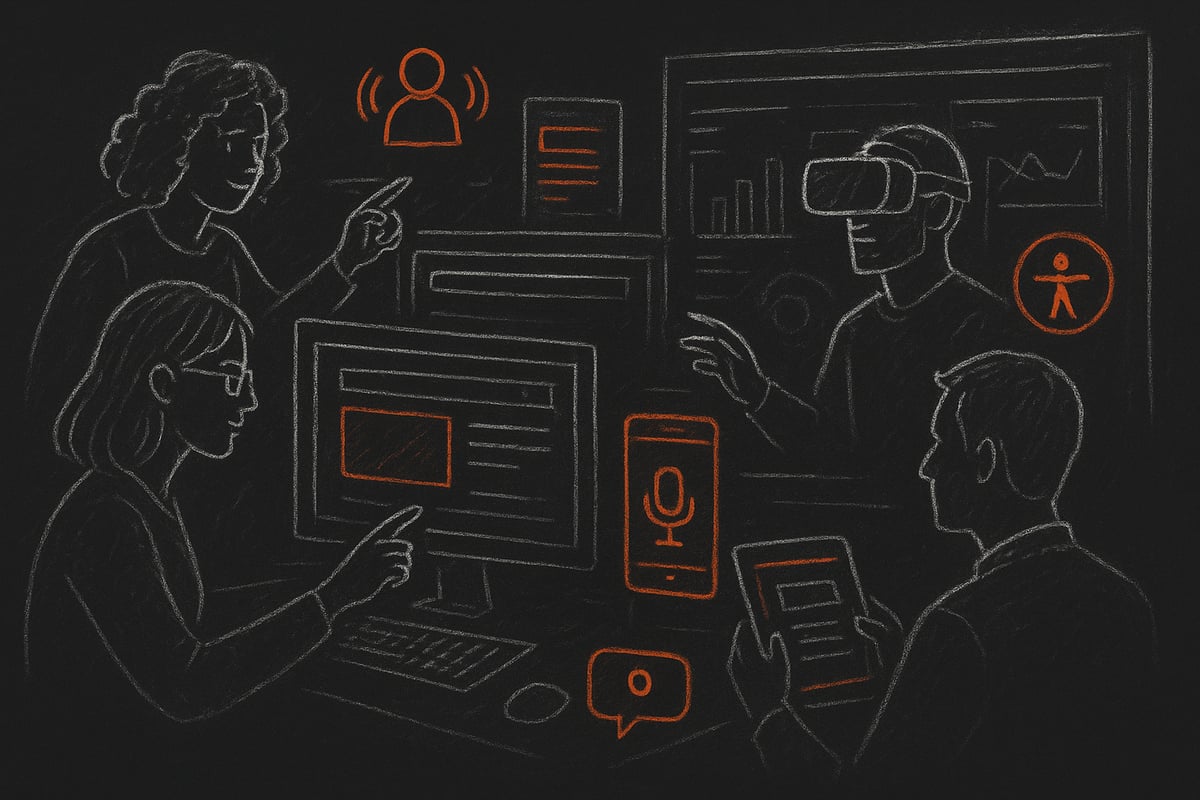
Consumers in 2026 expect seamless, highly personalized digital experiences across every touchpoint. Gen Z and Alpha, digital natives, demand intuitive interfaces and instant access to content. Their preferences have accelerated trends like mobile-first browsing, voice-activated interfaces, and visual search.
A web design marketing agency must anticipate these shifts. According to recent studies, mobile devices now account for over 65% of web traffic, while voice and visual searches are growing rapidly. Agencies that adapt to these behaviors can capture and retain modern audiences.
Advancements in Technology and AI-Driven Design
AI continues to reshape how agencies approach UI/UX, content generation, and personalization. AI-powered tools automate repetitive tasks, streamline workflows, and enable real-time content adaptation. By 2025, nearly all agencies will have adopted some form of AI in their processes.
For a web design marketing agency, integrating AI means faster project delivery and more relevant user experiences. If you want to dive deeper into how agencies are blending web design and marketing for brand growth, explore these Web design and branding agency insights.
The Importance of Omnichannel Consistency
Brand consistency across platforms is critical for building user trust and engagement. Users expect unified experiences whether they interact on websites, social media, or offline channels. Omnichannel strategies ensure that messaging, design, and interactions remain cohesive.
A web design marketing agency can leverage integrated customer data platforms and automation tools to orchestrate seamless campaigns. Successful omnichannel efforts often result in higher retention rates and stronger brand loyalty.
Data Privacy, Accessibility, and Ethical Design
With regulations like GDPR and the ADA becoming stricter, agencies must prioritize privacy, accessibility, and ethical design. Consumers are more aware of how their data is used and expect transparent practices.
A web design marketing agency should implement inclusive design principles, ensuring content is accessible to users with disabilities. Data shows that 15% of global users have a disability, making accessibility both a legal and business imperative.
Competitive Pressures and the Need for Differentiation
The market is more saturated than ever, increasing the pressure on agencies to innovate and stand out. Strategic differentiation, such as offering specialized services or adopting the latest technologies, is now linked to agency growth and client retention.
A web design marketing agency that constantly evolves its strategies and invests in innovation is better positioned to thrive in this competitive landscape.
7 Powerful Web Design Marketing Agency Strategies for 2026
To succeed in 2026, a web design marketing agency must adopt strategies that anticipate industry shifts and evolving client needs. The following seven approaches are designed to keep your agency at the forefront of digital innovation, client satisfaction, and measurable growth.
1. Hyper-Personalization Through AI and Data Analytics
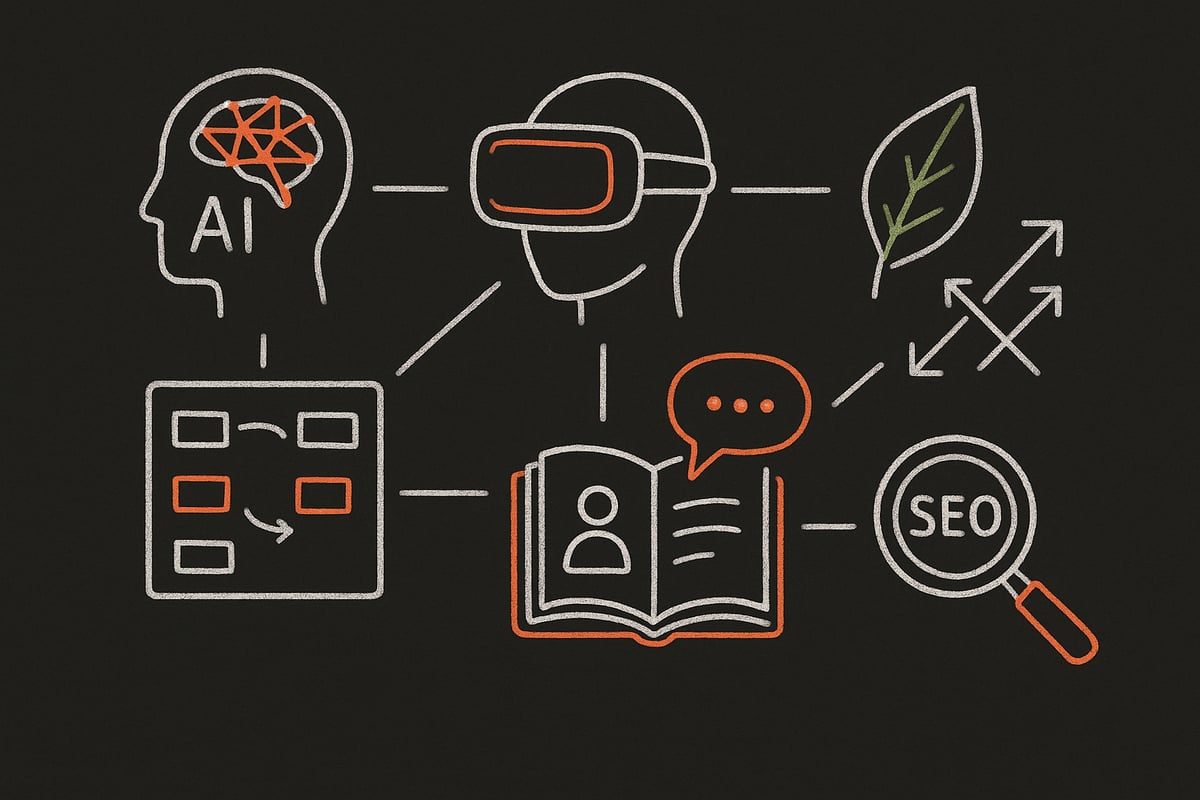
In 2026, hyper-personalization is transforming how a web design marketing agency delivers value. AI enables agencies to tailor every aspect of the user journey, from content and design layouts to navigation and calls to action. By analyzing real-time behavioral data, agencies can anticipate what users want even before they know it themselves.
Predictive analytics tools help agencies segment audiences more precisely. This means dynamic content is shown to the right person at the right time, increasing relevance and engagement. For example, websites can now automatically adjust messaging, imagery, and even pricing based on user profiles and browsing history.
Case studies reveal that web design marketing agency teams implementing advanced personalization see conversion rates climb by 30 percent or more. AI-driven platforms like Adobe Sensei and Salesforce Einstein automate much of this process, freeing up creative teams to focus on strategy and storytelling.
However, as personalization deepens, so do privacy concerns. Agencies must balance data-driven personalization with transparent, ethical data practices. Compliance with GDPR and other privacy regulations is non-negotiable. Building trust means being upfront about data collection and offering users control over their information.
AI is now standard in agency workflows, with 98 percent of firms integrating AI solutions by 2025. This widespread adoption, as highlighted in AI adoption in agency workflows, signals that personalization is no longer optional but fundamental for any web design marketing agency aiming to lead.
2. Immersive Experiences with AR, VR, and 3D Design
A web design marketing agency that leverages immersive technologies sets itself apart in a crowded marketplace. Augmented reality (AR) and virtual reality (VR) are changing the way brands tell stories and let users interact with products online. Imagine a prospective client exploring a 3D showroom or using AR to visualize a product in their own space right from the agency’s website.
The adoption of AR and VR is accelerating, with over 70 percent of brands planning to invest in these technologies by 2026. Agencies are partnering with specialized developers to create interactive demos, virtual tours, and gamified experiences that capture attention and drive engagement. 3D design elements, from interactive product models to animated backgrounds, further enhance website stickiness and brand recall.
According to industry reports, the immersive technology market in advertising is projected to reach $153.8 billion by 2032. This surge is detailed in Immersive technology in advertising market growth, emphasizing the strategic importance of AR and VR for every web design marketing agency.
To succeed, agencies need teams skilled in Unity, Unreal Engine, and WebXR, as well as a creative vision for integrating these elements seamlessly into client projects. Collaboration is key, both internally and with external partners, to ensure immersive experiences remain accessible and aligned with brand goals.
3. Sustainable and Accessible Web Design Practices
Sustainability and accessibility are at the core of a modern web design marketing agency’s value proposition. Clients and end-users increasingly demand eco-friendly and inclusive digital experiences. Agencies are responding by optimizing website performance, minimizing resource usage, and selecting green hosting providers.
Sustainable web design focuses on efficient code, optimized images, and reduced server requests. These practices lower energy consumption, which not only benefits the planet but also improves site speed and SEO. Agencies leading in sustainability often showcase their efforts with carbon calculators and green certifications, building trust with environmentally conscious clients.
Accessibility is equally vital. According to the World Health Organization, roughly 15 percent of users have some form of disability. Implementing WCAG 2.2 guidelines ensures websites are usable by all, expanding reach and complying with regulations like the ADA and GDPR. Accessible design also improves usability for everyone, enhancing overall satisfaction and retention.
Tools such as axe, WAVE, and Lighthouse help agencies audit and improve site accessibility. Frameworks like React and Vue offer built-in features to support accessible development. Brands that excel in both sustainability and accessibility see measurable returns, from improved search rankings to broader audience engagement.
Incorporating these practices is not just about compliance; it’s about leadership. A web design marketing agency that prioritizes sustainability and accessibility positions itself as a forward-thinking, responsible partner.
4. Integrated Omnichannel Marketing Strategies
For a web design marketing agency, delivering seamless customer journeys across channels is essential for brand loyalty and retention. Omnichannel strategies connect websites, social media, email, and even offline interactions to create unified brand experiences.
Customer Data Platforms (CDPs) play a critical role in gathering and harmonizing data from multiple sources. This enables agencies to deliver consistent messaging and personalized content across every touchpoint. Automated workflows and AI-driven orchestration ensure that campaigns adapt in real time to user behaviors and preferences.
Successful omnichannel campaigns can boost retention rates by more than 50 percent. Brands that excel here use attribution modeling to measure the impact of each channel, optimizing spend and maximizing ROI. The most effective web design marketing agency teams invest in tools that provide a holistic view of customer interactions, allowing for quick pivots and data-driven decision-making.
Agencies that master omnichannel strategies stand out in a competitive landscape. They offer clients a measurable path to growth, backed by seamless digital experiences that build trust and drive results.
5. Agile and Collaborative Project Delivery Models
In 2026, agility is a defining trait of a successful web design marketing agency. Agile methodologies enable agencies to respond quickly to changing client needs, new technologies, and evolving market trends. By adopting sprints, iterative feedback loops, and continuous improvement, agencies reduce project risks and accelerate time to market.
Collaboration platforms like Figma, Miro, and Slack streamline communication between designers, developers, and clients. Centralized feedback and real-time updates keep projects on track and aligned with client objectives. Agile frameworks, such as Scrum and Kanban, are now standard in the agency toolkit.
Industry benchmarks show that agencies embracing agile practices report higher client satisfaction, improved project outcomes, and increased scalability. The ability to pivot quickly is especially valuable in a digital landscape where trends shift rapidly.
Agile is not just a process, but a mindset. A web design marketing agency that fosters a culture of collaboration and adaptability is better positioned for long-term growth and client loyalty.
6. Content-First and Storytelling-Driven Design
A web design marketing agency that puts content first delivers websites that resonate and convert. Storytelling is at the heart of this approach, guiding users through compelling narratives that build emotional connections and drive action.
Content strategy informs every design decision, from wireframes to final visuals. Data-driven insights reveal what matters most to target audiences, allowing agencies to craft messaging that speaks directly to user needs. Multimedia elements such as video, interactive graphics, and micro-animations bring stories to life, keeping users engaged longer.
Research shows that content-led websites achieve engagement rates up to twice as high as those with design-led approaches. Agencies use tools like Storyblok and Contentful to manage complex content ecosystems and maintain consistency across channels.
Successful brands integrate storytelling into every aspect of their digital presence. For a web design marketing agency, this means collaborating closely with writers, designers, and marketers to ensure every project has a clear, compelling narrative.
7. Advanced SEO and AI-Optimized Search Experiences
SEO is evolving rapidly, and a web design marketing agency must stay ahead by leveraging AI-driven tactics. Semantic search, voice optimization, and structured data are essential for visibility in 2026. AI tools streamline keyword research, content optimization, and real-time SERP analysis, enabling agencies to make data-backed decisions at speed.
Studies indicate that AI-powered SEO can drive organic traffic increases of 40 percent or more. Agencies are focusing on E-E-A-T (Experience, Expertise, Authoritativeness, Trustworthiness), Core Web Vitals, and aligning content with search intent to secure top rankings. Voice and visual search are becoming mainstream, requiring new strategies and technical implementations.
For practical guidance on integrating these tactics, see SEO strategies for web design agencies, which covers the latest AI-powered approaches.
A web design marketing agency that masters advanced SEO provides clients with a powerful competitive edge. Measurable improvements in rankings, traffic, and conversions make SEO expertise a cornerstone of agency value in 2026.
Building a Future-Proof Web Design Marketing Agency
Staying ahead in the digital space demands a proactive approach. A successful web design marketing agency must anticipate shifts and invest in the right areas to secure long-term growth. The following foundational pillars will help agencies remain agile, competitive, and relevant as the industry evolves.
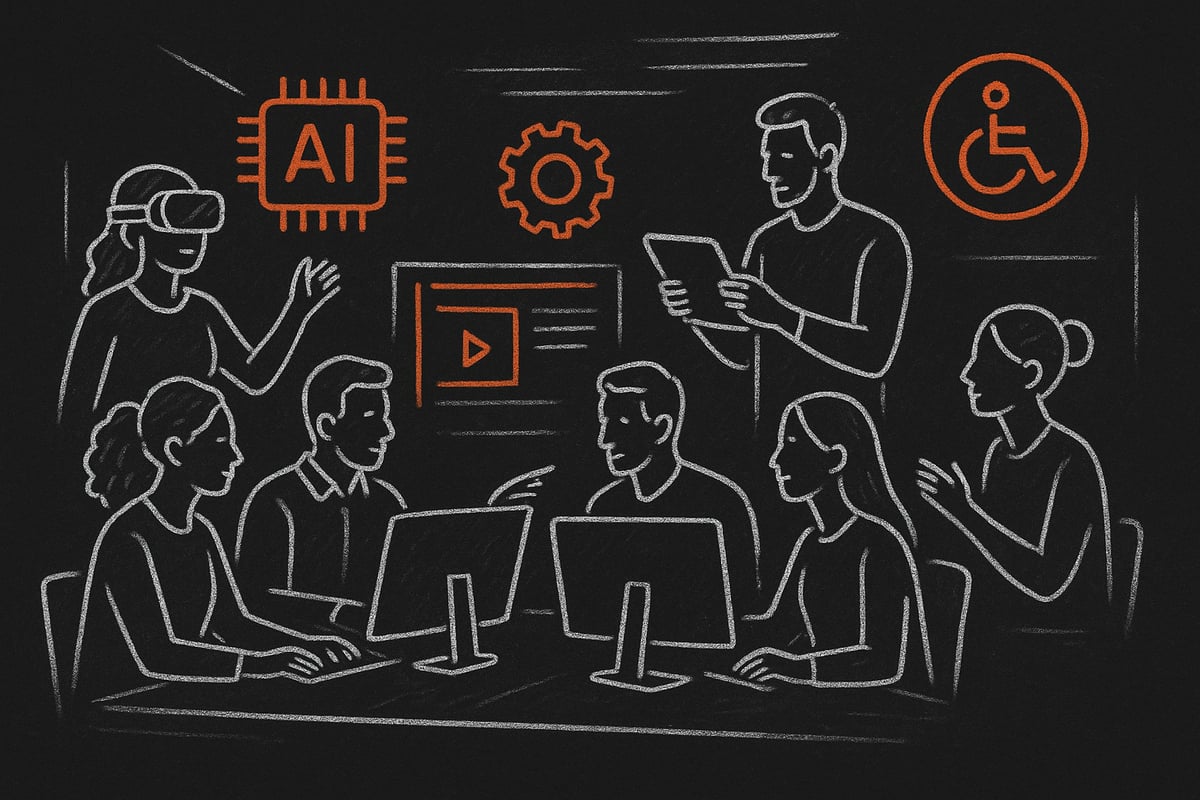
Investing in Talent and Continuous Learning
To thrive, a web design marketing agency must prioritize continual upskilling. The rate of technological change is rapid, with AI, AR, and accessibility standards evolving regularly. Agencies should encourage ongoing training in new platforms, design methods, and ethical practices.
Partnering with universities and enrolling staff in certification programs ensures that teams remain knowledgeable and adaptable. According to Marketing agency website design trends, agencies investing in professional development see higher innovation rates and client satisfaction.
Agencies also benefit from nurturing a culture of curiosity and knowledge sharing. By championing learning, a web design marketing agency can attract top talent and stay ahead of competitors.
Leveraging Strategic Partnerships and Technology Stacks
Strategic partnerships are essential for growth in a web design marketing agency. Collaborating with SaaS providers, creative studios, and tech vendors grants access to specialized tools and scalable resources.
A well-chosen technology stack enables agencies to streamline workflows, automate routine tasks, and focus on creative problem-solving. Partnerships foster innovation and position agencies to offer cutting-edge solutions.
These alliances also help agencies remain flexible in the face of market changes. By leveraging external expertise and advanced tools, a web design marketing agency can adapt quickly and deliver superior results for clients.
Adapting to Regulatory and Market Changes
Navigating a shifting regulatory landscape is critical for any web design marketing agency. Privacy laws, accessibility requirements, and ethical standards are becoming stricter and more complex. Agencies must stay informed and adjust their strategies to remain compliant.
Proactive adaptation can offer a significant competitive advantage. Agencies that quickly align with new rules often gain market share and client trust. For actionable advice on integrating compliance with innovation, see the Website design and marketing company guide.
Establishing clear processes for monitoring regulations and educating teams ensures that the web design marketing agency remains resilient and trusted.
Measuring Success and Iterating for Growth
Data-driven decision-making is at the heart of a future-proof web design marketing agency. Tracking key performance indicators, such as client retention, project ROI, and technology adoption rates, reveals areas for improvement and validates strategic choices.
Regular feedback loops with clients and internal teams encourage a culture of continuous improvement. Agencies should embrace experimentation and refine their processes based on measurable outcomes.
By consistently evaluating performance and adapting strategies, a web design marketing agency can foster sustainable growth and maintain a leading edge in the competitive market.
As we look ahead to 2026, staying ahead in web design marketing means embracing innovation—whether that’s leveraging AI for hyper personalization, integrating immersive experiences, or ensuring your digital presence is both sustainable and accessible. If you’re ready to put these strategies into action and want expert guidance tailored to your business, let’s connect. At WebSuitable, we bring clarity and creativity to every project, helping you build a future proof brand that truly stands out.
Curious how these insights can work for you? Book a free strategy call and let’s start shaping your digital success together.

Nik Paprocki
Director of Digital Strategy at WebSuitable
[ Blog ]