Nov 30, 2025
Content
UX Design Web Design Versus: Key Differences Explained 2026
In 2026, brands succeed or fail based on the quality of their digital experiences. Yet, many still confuse ux design web design, missing out on opportunities for growth and innovation.
Understanding the distinctions and connections between these disciplines is now essential for anyone shaping a digital presence. This article unpacks the differences, explores overlaps, and clarifies how each contributes to business success.
We will define what sets each approach apart, examine their goals, methods, and required skills, and show how they work together to drive results. Ready to gain clarity and boost your digital strategy? Let us dive in.
Defining UX Design and Web Design
Understanding the distinction between ux design web design is essential for anyone building a digital presence in 2026. While these disciplines overlap, each brings unique value to creating standout online experiences.
What is Web Design?
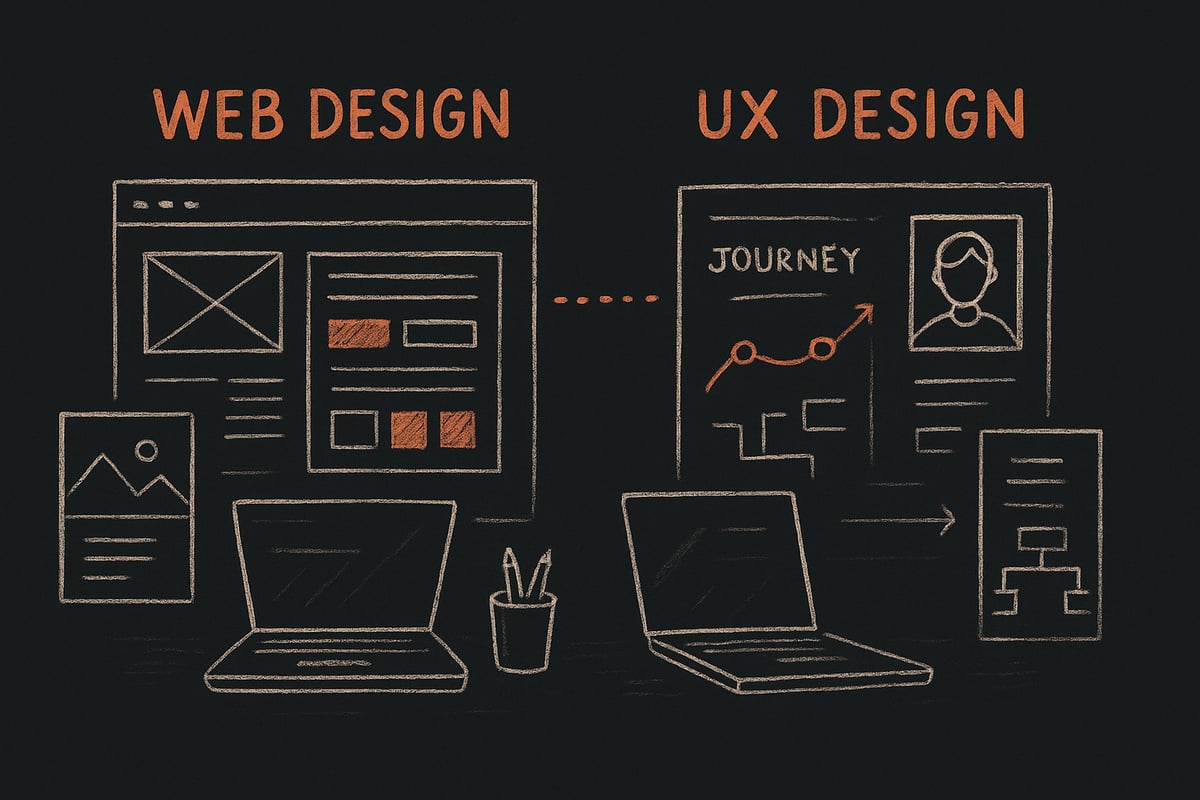
Web design is the process of planning, creating, and shaping the visual and structural elements of a website. It centers on the look and feel, including layout, color schemes, typography, and imagery. A web designer translates a brand’s identity into a digital format, ensuring the site is visually appealing and on-message.
The scope of web design often includes:
Building sitemaps to organize site structure.
Designing wireframes and mockups as blueprints.
Selecting color palettes and fonts for brand consistency.
Collaborating with marketing and development teams.
Implementing basic front-end code, such as HTML, CSS, and JavaScript.
For example, when a retail brand launches a new homepage, the web designer ensures every visual element aligns with the brand and captures attention. This attention to detail is crucial, especially since 94% of first impressions relate directly to a site’s design.
Web design also plays a key role in accessibility and search optimization. A well-designed site not only looks good but also loads quickly and ranks higher in search results. The responsibilities in web design web design extend from visual concepts to the technical aspects that support user engagement.
What is UX Design?
UX design, or user experience design, is focused on optimizing the entire user journey. Instead of just visuals, it addresses how a product feels and how easy it is to use. UX design web design professionals look at every touchpoint, from the first click to the final conversion, making sure the experience is smooth, useful, and satisfying.
Key responsibilities in UX design include:
Conducting user research through interviews and surveys.
Creating personas and journey maps to understand user needs.
Structuring information for intuitive navigation.
Designing and testing interactive prototypes.
Running usability tests and gathering feedback for improvement.
Imagine a UX designer working on an e-commerce checkout process. Through testing and iteration, they identify friction points and simplify steps, reducing cart abandonment. This focus on user needs pays off: 88% of users are less likely to return after a poor experience.
Unlike web design, UX design is less about how things look and more about how they work. It requires empathy, research, and ongoing testing to refine digital products. If you want to dive deeper into the methodologies and benefits of this discipline, explore the UX design process and benefits.
In summary, while ux design web design both aim to create engaging digital experiences, they approach the challenge from different angles. Understanding these differences is key to building sites that are not only beautiful but also genuinely user-friendly.
Core Goals and Focus Areas: UX vs. Web Design
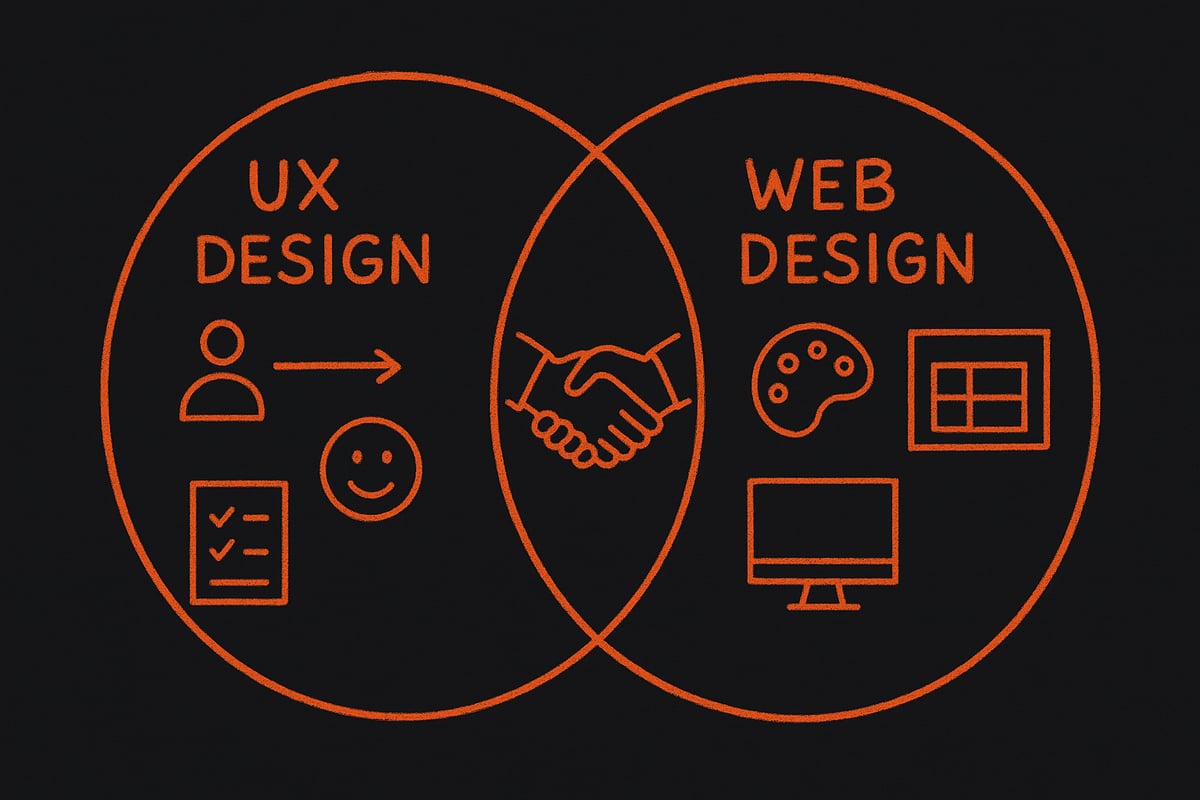
In today's digital landscape, understanding the core goals and focus areas of ux design web design is essential for any business or professional aiming for online success. Both disciplines play pivotal roles, but their priorities and approaches are distinct. Let's break down their unique objectives and see where they intersect.
Goals of Web Design
Web design is fundamentally about making a strong visual impact. The main goal is to create a website that is visually engaging, accessible, and aligned with a brand's identity. This involves careful attention to color schemes, typography, imagery, and overall layout.
A key focus is ensuring responsive design so users have a consistent experience across devices and browsers. Web designers also support SEO and content discoverability by optimizing site structure and metadata. Clear navigation and logical page hierarchy help users find what they need quickly.
For example, when a company undergoes a rebrand, web designers are responsible for redesigning the site to reflect the new identity. According to recent competitor data, 38% of users stop engaging with a website if they find the content or layout unattractive.
Web designers often collaborate with developers and marketing teams to bring creative concepts to life. Their work directly shapes the first impression visitors have, which is crucial since 94% of first impressions are related to site design. The role of web design in the ux design web design process is to ensure that the digital front door is both welcoming and effective.
Goals of UX Design
UX design centers on optimizing every aspect of the user journey. The primary objective is to make products intuitive, enjoyable, and efficient for users. This includes everything from conducting user research to understanding pain points, to designing seamless interactions and information flows.
A UX designer’s toolkit includes persona creation, journey maps, user flows, prototyping, and iterative usability testing. The process is deeply rooted in solving real user problems, not just making things look good. For instance, by implementing usability testing to refine onboarding flows, UX designers can significantly reduce friction and improve retention.
UX design has a measurable impact on key business metrics. Companies that invest in UX see lower customer acquisition costs and increased market share, as noted by competitor insights. In fact, 88% of users are less likely to return to a site after a poor user experience.
The ux design web design relationship becomes clear here: while web design draws users in, UX design ensures they stay engaged, satisfied, and loyal. UX designers focus on the entire digital experience, making sure every touchpoint is optimized for the user.
Overlapping Objectives
Although the goals of ux design web design differ, their ultimate objective is shared: to drive engagement and help businesses achieve measurable results. Both disciplines aim to improve user satisfaction, increase retention, and support business growth.
Collaboration between UX and web design teams ensures digital products are not only visually compelling but also highly functional. For example, when launching a new landing page, web designers craft the layout and visuals, while UX designers test and refine the user flow for maximum conversions.
Here is a simple comparison table summarizing their objectives:
Aspect | Web Design | UX Design |
|---|---|---|
Primary Focus | Visual appeal, branding | User journey, satisfaction |
Key Activities | Layout, color, typography | Research, prototyping, testing |
Business Impact | First impressions, engagement | Retention, loyalty, adoption |
Collaboration Points | Prototyping, feedback loops | Prototyping, usability testing |
The synergy between ux design web design cannot be overstated. When both teams collaborate, the result is a high-converting, memorable digital experience. For a more detailed breakdown, see this Web design vs. UX design comparison.
By understanding where these disciplines overlap and where they diverge, businesses can build stronger, more effective digital products that delight users and deliver results.
Processes and Methodologies: Comparing Workflows
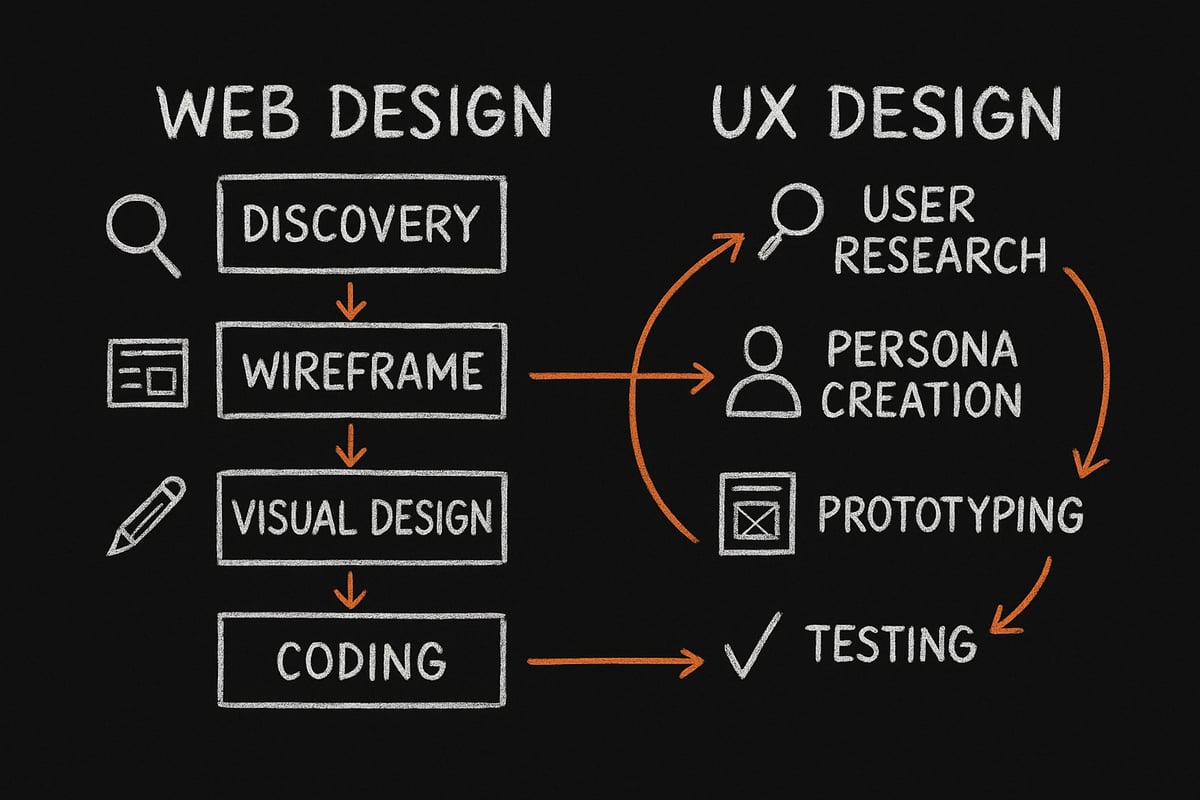
Understanding the processes behind ux design web design is essential for creating digital products that stand out in 2026. Each discipline follows a distinct workflow, yet their collaboration is what drives exceptional results. Let us break down how each approach works, where they intersect, and what sets them apart.
Web Design Process
The web design process is a structured journey that transforms ideas into visually compelling and functional websites. It typically starts with discovery, where designers gather insights about client goals, brand identity, and project requirements. This stage ensures the website will align with business objectives and user needs.
Next comes wireframing, where the basic layout and structure are mapped out. Designers use simple sketches or digital tools to create sitemaps and wireframes, setting the foundation for content placement and navigation. Visual design follows, where color schemes, typography, and imagery bring the brand to life.
Prototyping is then used to build interactive mockups, allowing stakeholders to review and provide feedback before development begins. The front-end development phase translates these designs into code using HTML, CSS, and JavaScript, ensuring the site is both responsive and accessible.
Testing and launch are critical final steps. Designers check for browser compatibility, performance, accessibility, and SEO readiness. This comprehensive process ensures a seamless launch and a positive first impression. For a deeper dive into how agencies execute these workflows, see this Web design and development agencies overview.
Throughout each phase, collaboration with marketing and development teams is essential. This synergy enables ux design web design teams to deliver visually stunning sites that also meet business goals.
UX Design Process
The UX design process revolves around understanding and optimizing the entire user journey. It begins with user research, where designers conduct interviews, surveys, and analytics reviews to uncover real user needs and pain points. This evidence-based approach sets ux design web design teams apart in creating solutions tailored to their audience.
Persona creation comes next, where designers build detailed archetypes representing target users. These personas guide decision-making throughout the project. Information architecture follows, organizing content in a logical, user-friendly way to reduce friction and confusion.
Interaction design is a key step, mapping out user flows and microinteractions to ensure every action feels natural. Prototyping is equally vital, as designers build low to high-fidelity prototypes for hands-on user testing. Usability testing gathers direct feedback from real users, highlighting areas for improvement.
Iteration is an ongoing process. UX professionals refine designs based on data and feedback, repeating testing and adjustments until the experience is seamless. This iterative approach ensures that ux design web design efforts deliver not just functional products, but delightful and efficient experiences.
By focusing on research, testing, and continuous improvement, UX teams help businesses reduce friction, boost retention, and foster loyalty.
Key Differences in Methodology
While both disciplines aim for digital excellence, their methodologies differ significantly. Web design tends to follow a more linear path, moving from discovery through to launch in defined stages. In contrast, UX design is highly iterative, constantly cycling through research, prototyping, and testing to refine the user experience.
The focus also sets them apart. Web design emphasizes visual delivery, branding, and accessibility, ensuring that websites attract and engage users at first glance. UX design, on the other hand, is rooted in problem-solving, using data and user insights to optimize every interaction.
Despite these differences, collaboration points are crucial. Ux design web design teams often intersect during prototyping and feedback sessions, ensuring that both aesthetics and usability are considered. A useful comparison is shown below:
Aspect | Web Design | UX Design |
|---|---|---|
Workflow | Linear | Iterative |
Focus | Visual, branding, accessibility | User research, usability, utility |
Key Deliverables | Mockups, code, style guides | Personas, prototypes, user flows |
Main Tools | Figma, Adobe XD, HTML/CSS | Axure, InVision, analytics |
Recognizing these distinctions empowers teams to leverage the strengths of both disciplines within their ux design web design projects, ensuring digital experiences that are both beautiful and user-centric.
Skills, Tools, and Team Roles in 2026
Navigating the digital landscape in 2026, businesses and professionals need clarity on the distinct yet interconnected roles in ux design web design. Understanding the specialized skills, evolving toolsets, and collaborative team structures is essential for building future-ready digital experiences.
Web Designer Skills & Tools
Web designers in 2026 bring a blend of creative vision and technical know-how to the table. Their expertise in ux design web design starts with proficiency in industry-standard tools:
Design software: Figma, Adobe XD, Sketch
Front-end development: HTML, CSS, JavaScript basics
Branding: Color theory, typography, visual hierarchy
Accessibility and SEO: Ensuring websites meet global standards
A web designer’s day might involve using Figma to create responsive layouts for a fast-growing e-commerce brand. They often translate brand guidelines into digital visual language, crafting compelling homepages and landing pages that capture user attention.
Consider the following table summarizing key web designer competencies:
Skill Area | Example Tool | Description |
|---|---|---|
Visual Design | Figma | Layouts, color, typography |
Prototyping | Adobe XD | Interactive mockups |
Coding Basics | HTML, CSS | Implementing design in browsers |
SEO/Accessibility | Lighthouse | Testing for compliance |
This combination of design and technical skills ensures the visual side of ux design web design aligns with brand goals and user expectations.
UX Designer Skills & Tools
UX designers focus on optimizing the entire user journey. Their toolkit for ux design web design is rooted in research, empathy, and iterative testing:
User research: Interviews, surveys, analytics
Prototyping & wireframing: Axure, Balsamiq, InVision
Usability testing: A/B tests, user observation
Soft skills: Empathy, communication, storytelling
For example, a UX designer might conduct A/B testing to refine a mobile app’s onboarding flow, ensuring users can sign up with minimal friction. They use data-driven insights to shape every interaction, from button placement to error messages.
UX designers rely on analytics platforms to measure engagement and identify pain points. Their ability to translate qualitative and quantitative research into actionable design improvements is what sets ux design web design apart in terms of user satisfaction and retention.
Team Structures and Collaboration
In 2026, team structures for ux design web design have become increasingly integrated. Web designers typically work closely with developers, content strategists, and marketing professionals. UX designers collaborate with product managers, researchers, and UI specialists.
In larger organizations, roles are distinct, allowing for deep specialization. In smaller teams, professionals often wear multiple hats, blending visual design and user experience responsibilities.
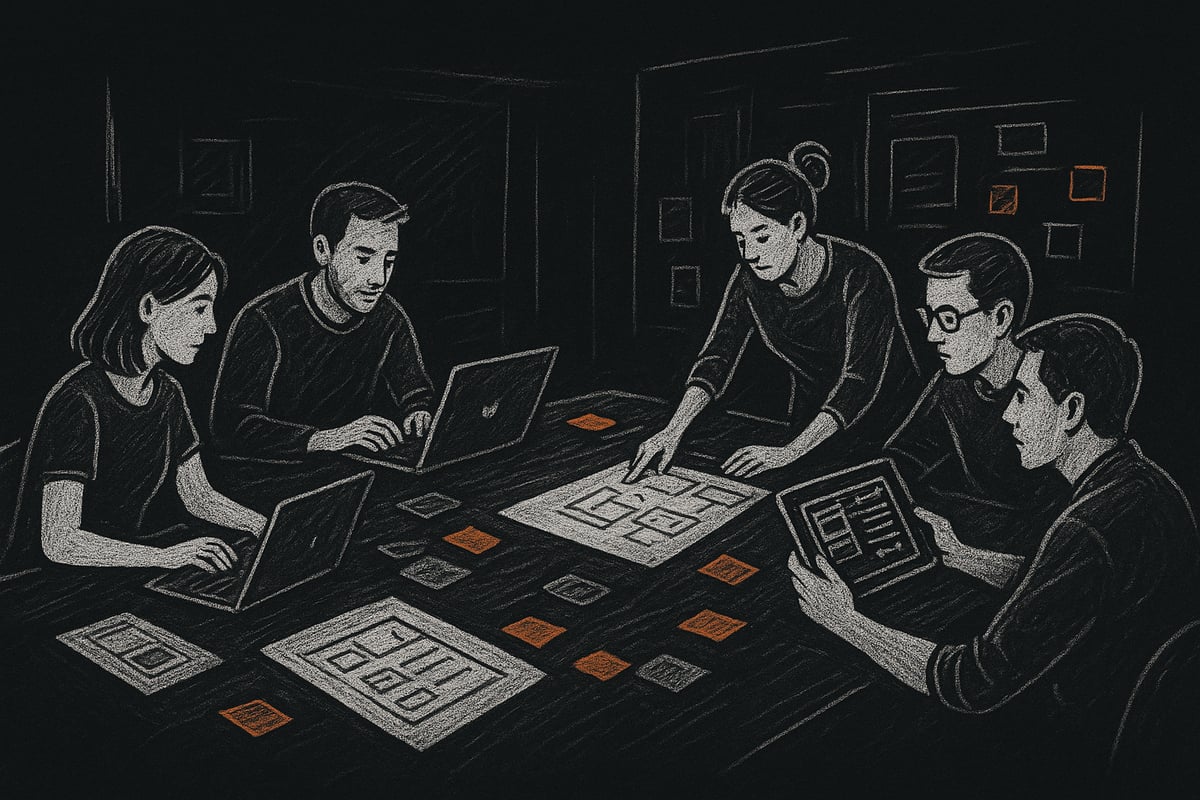
Collaboration is key. Joint prototyping sessions and shared feedback loops ensure that both the aesthetic and functional aspects of a project are addressed. According to recent industry insights, 50% of companies have now integrated UX roles into web design teams, further blurring traditional boundaries.
To see how these collaborations are structured in leading studios, explore this UI/UX design studios overview, which provides valuable examples of modern team workflows and role integration.
Ultimately, investing in strong, multidisciplinary teams is crucial for delivering digital products that are both visually engaging and user-centric.
Impact on Business Outcomes and User Experience
In today’s competitive landscape, the interplay between ux design web design is a major driver of digital business success. Each discipline contributes unique strengths, yet their combined impact is what truly shapes outcomes for both companies and their customers.
Effect on Conversion and Retention
The synergy of ux design web design directly influences conversion rates and user retention. A visually compelling site may attract visitors, but it is the seamless experience that keeps them engaged and encourages action.
For instance, a retail website with an attractive homepage (the result of skilled web design) draws users in. However, if the checkout process is confusing, users abandon their carts. This is where UX design steps in, optimizing each step to remove friction and streamline the journey.
Recent data reveals that 75% of website credibility is attributed to design, and 88% of users are unlikely to return after a negative experience. By aligning ux design web design, businesses can reduce bounce rates, increase conversions, and inspire repeat visits.
Branding, Trust, and Perception
First impressions are crucial, and web design sets the visual tone for any brand. Cohesive color schemes, typography, and imagery establish trust from the outset. However, trust must be maintained through consistent, intuitive experiences—this is where UX design is vital.
Consider a financial services platform: professional visuals build credibility, while clear navigation and responsive interfaces foster confidence. By harmonizing ux design web design, companies communicate reliability and care for user needs.
Positive experiences not only drive loyalty but also turn users into brand advocates. A strong reputation is built on both striking design and thoughtful usability, making the integration of these disciplines essential for modern businesses.
SEO and Digital Marketing Synergy
The structure and speed of a website, crafted through expert web design, are foundational to effective SEO. Elements like mobile responsiveness, fast load times, and organized site architecture boost search rankings and content discoverability.
Meanwhile, UX design drives down bounce rates and increases dwell time, signaling to search engines that visitors find value. For example, a well-structured onboarding flow keeps users engaged longer, supporting SEO and marketing goals.
As the UX design market growth continues to accelerate, companies that invest in both ux design web design are better positioned to capture organic traffic and maximize their digital marketing ROI.
Business Case for Investing in Both
Investing in ux design web design is not just about aesthetics or usability—it is a strategic decision with measurable returns. Companies that prioritize both disciplines report higher ROI, increased customer satisfaction, and a clear competitive edge.
Every $1 invested in UX yields up to $100 in return, illustrating the tangible value of a user-centered approach. Case studies show that brands leveraging both web and UX design consistently outperform competitors in conversion, retention, and growth.
For organizations aiming to future-proof their digital presence, integrating ux design web design into every project is a proven path to sustainable success.
Collaboration and Future Trends: UX and Web Design in 2026
In 2026, collaboration between ux design web design professionals is no longer optional—it is essential for digital excellence. The boundaries between the two disciplines have become more fluid, fostering integrated workflows and shared goals. As digital products grow more complex, businesses recognize that seamless cooperation is the foundation for delivering exceptional user experiences and business results.
How UX and Web Design Work Together
Today, successful digital projects rely on cross-functional collaboration between ux design web design teams. Shared prototyping sessions, design systems, and continuous feedback loops have become standard practices, ensuring consistency and efficiency.
Large organizations increasingly adopt design ops frameworks, uniting designers, developers, and product managers. This integration accelerates decision-making and streamlines communication. For example, a unified team might use a shared design system to rapidly iterate on a new landing page, ensuring both aesthetic quality and usability.
Workflow integration also means that web designers contribute to user flows, while UX designers influence branding and visuals. This convergence maximizes the strengths of both disciplines, resulting in digital experiences that are both beautiful and intuitive.
Evolving Roles and Emerging Skills
The demand for hybrid professionals with expertise in both ux design web design is rising. These versatile individuals bridge gaps between research, strategy, and visual execution, making them invaluable on lean teams and in fast-paced environments.
AI-assisted design tools are transforming the landscape, enabling rapid prototyping, automated user testing, and personalized design recommendations. According to AI in UX design, AI is now guiding everything from layout optimization to accessibility checks, freeing designers to focus on creativity and strategy.
Teams are also embracing new roles like design technologists and UX engineers, who blend coding skills with user-centric thinking. This evolution supports agile processes and ensures that digital products remain competitive in a crowded marketplace.
Trends Shaping the Disciplines
Looking ahead, several trends are redefining the future of ux design web design. Personalization is now a baseline expectation, with users demanding experiences tailored to their preferences and behaviors.
Accessibility remains a top priority, as regulations and user expectations continue to evolve. Immersive technologies such as voice interfaces, AR, and VR are influencing both fields, challenging designers to create engaging, multimodal experiences. For more on where the industry is heading, see UX design trends 2025.
Designers must also consider new interaction paradigms, like conversational UIs and adaptive layouts, to stay ahead of user needs and technological change.
The Importance of Continuous Learning
Staying current in ux design web design requires ongoing education. Professionals are pursuing certifications, attending workshops, and engaging in peer learning to sharpen their skills.
Specialized training in areas like AI-driven research tools, accessibility standards, and cross-disciplinary collaboration is becoming increasingly valuable. Organizations that prioritize upskilling empower their teams to adapt quickly to changing demands and technologies.
Continuous learning not only enhances individual careers but also drives innovation and resilience within teams.
Key Takeaways for Businesses and Professionals
A clear understanding of the differences and synergies between ux design web design enables smarter hiring, project planning, and digital strategy. Investing in both disciplines is crucial for sustained growth and customer loyalty.
Integrated teams that leverage data-driven insights, emerging technologies, and ongoing learning are best positioned to deliver future-ready digital experiences. For businesses and professionals alike, embracing this approach is the key to thriving in a rapidly evolving landscape.
Now that you’ve seen how UX design and web design each shape digital experiences and business outcomes, it’s clear that bridging both disciplines is key to true online success. If you’re looking for clarity on how these strategies can elevate your brand or want tailored guidance for your next project, we’re here to help. Let’s turn insights into action and chart a path for your digital growth—feel free to Book a free strategy call with our team. We’ll work with you to define a roadmap that’s creative, effective, and uniquely suited to your goals.

Nik Paprocki
Director of Digital Strategy at WebSuitable
[ Blog ]