Dec 4, 2025
Content
SEO For ChatGPT Guide: Master AI Optimization In 2026
AI is rapidly transforming how users search and interact with information. As tools like ChatGPT become central to the digital experience in 2026, mastering seo for chatgpt is no longer optional for brands and creators.
This guide will show you how to keep your content visible and relevant in the age of AI-driven search. You will discover how ChatGPT changes search habits, learn core optimization strategies, and get practical steps for technical improvements and content creation.
Ready to future-proof your digital presence? Dive in to unlock the strategies you need to stay ahead in the evolving world of AI-powered search.
Understanding ChatGPT’s Role in SEO
The world of search is undergoing a massive transformation as AI-driven tools like ChatGPT take center stage. For anyone focused on seo for chatgpt, understanding this shift is essential to stay ahead. Let’s explore how ChatGPT is reshaping the way people look for information, and what that means for your content and brand.
The Rise of AI-Driven Search Engines
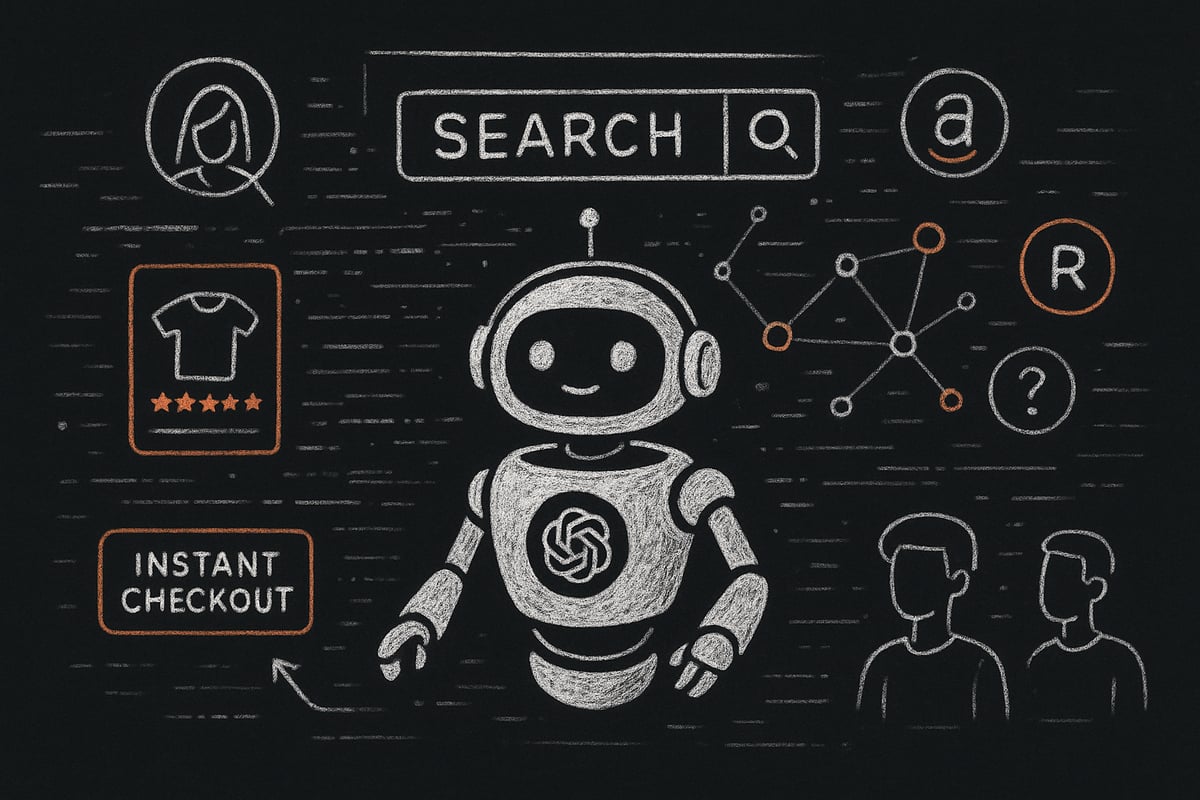
AI-powered engines such as ChatGPT are fundamentally changing how users search. By 2026, industry experts predict that over 40 percent of all search queries will be managed by AI agents instead of traditional engines. This marks a significant shift for seo for chatgpt strategies.
Unlike legacy search engines that provide ranked lists of links, AI answer engines deliver direct, conversational responses. Users no longer sift through multiple pages to find answers. Instead, they get context-rich, synthesized information instantly, tailored to their query.
Consider the difference:
Traditional Search | AI-Powered Answer Engine |
|---|---|
Shows links | Gives direct answers |
User clicks links | User asks follow-ups |
Rankings matter | Authority matters |
Conversational AI changes user intent and content discovery. For example, ChatGPT's "Buy Now" and instant checkout features let users purchase products directly from a chat interface. This shortens the customer journey, making seo for chatgpt more about entity and brand recognition than just keywords.
Brands with strong digital presence and clear identities are favored by AI systems. However, large language models come with limitations, such as knowledge cutoffs, hallucinations, and varying data reliability. To learn more about how the integration of ChatGPT and SEO is evolving, see this guide on ChatGPT and SEO integration.
How ChatGPT “Sees” and Selects Content
To optimize seo for chatgpt, you need to understand how ChatGPT processes content. At its core, ChatGPT uses next-token prediction and content chunking. This means it breaks down large blocks of information into smaller, digestible pieces to generate relevant responses.
Structured data and schema markup are crucial. ChatGPT relies on these signals to identify authority, context, and accuracy. For instance, ecommerce sites that use Product and Organization schema can have their product information pulled directly into ChatGPT's instant checkout recommendations.
External signals also play a big role. Citations, brand mentions, and digital authority are factored into how ChatGPT selects and elevates content. Here are key factors:
Consistent use of schema across your site
Clear topical authority established through comprehensive content
Brand mentions on trusted third-party sources
When optimizing for seo for chatgpt, remember that machine-readable formats and authoritative references carry more weight than traditional keyword stuffing. The future of search will reward those who invest in clarity, structure, and digital reputation.
Core Principles of SEO for ChatGPT in 2026
The landscape of SEO for ChatGPT is evolving rapidly as AI-driven search becomes mainstream. Understanding the fundamental principles behind this shift is essential for brands and marketers aiming to remain visible and competitive. Below, we break down the key strategies shaping SEO for ChatGPT and how you can adapt effectively.
Generative Engine Optimization (GEO) Explained
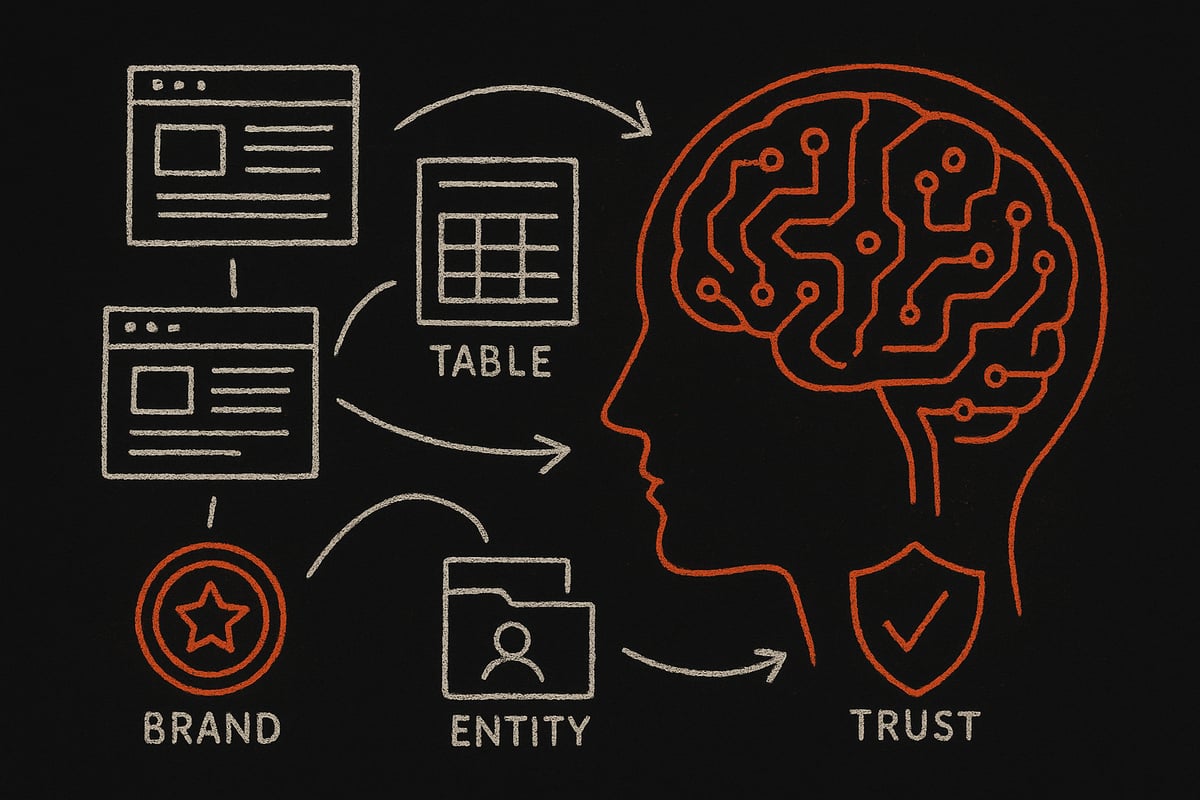
Generative Engine Optimization, or GEO, is redefining SEO for ChatGPT and similar AI tools. Unlike traditional SEO, which focuses on keyword placement and ranking on search engine result pages, GEO is about optimizing content for large language models that deliver direct, conversational answers. This shift means your content must be recognized as authoritative, trustworthy, and relevant within AI training datasets.
A key difference is the move from simple keyword targeting to entity-based optimization. Entities are distinct concepts, like brands or products, that AI models identify and use to connect information. Building topical authority requires demonstrating expertise and trustworthiness, following principles like E-E-A-T. Structured data and up-to-date content feeds help ensure that AI platforms can accurately interpret and pull your information for user queries.
For example, “LLM seeding” involves proactively creating digital assets and citations that AI models are likely to ingest. According to a 2025 survey, 60% of marketers now prioritize GEO alongside classic SEO approaches. To learn more about advanced tactics in this area, see these AI search optimization strategies.
Traditional SEO | SEO for ChatGPT (GEO) |
|---|---|
Keyword targeting | Entity optimization |
SERP rankings | Direct answer boxes |
Backlinks | Trusted citations |
Meta tags | Structured data/schema |
Mastering SEO for ChatGPT means adapting to these new rules and ensuring your brand is consistently referenced by authoritative sources.
Key Ranking Factors for AI Search
Success with SEO for ChatGPT depends on understanding the unique ranking factors that influence how AI engines select and present content. Brand and entity prominence within AI training data is vital. Comprehensive, well-structured content increases your chances of being cited as a reliable answer source.
Schema markup, such as Product or FAQ schema, makes content more machine-readable and accessible to LLMs. Citations from trusted third-party sites, digital reputation, and strong brand mentions all contribute to higher visibility in AI-powered searches.
Consider using LLMs.txt files or AI visibility tools to monitor your brand’s presence and fill any gaps in entity recognition. Regularly updating structured data and maintaining consistent information across directories and knowledge bases are also crucial. By focusing on these factors, you position your brand for ongoing success as SEO for ChatGPT continues to shape the digital landscape.
Step-by-Step Guide: Optimizing for ChatGPT & AI Search
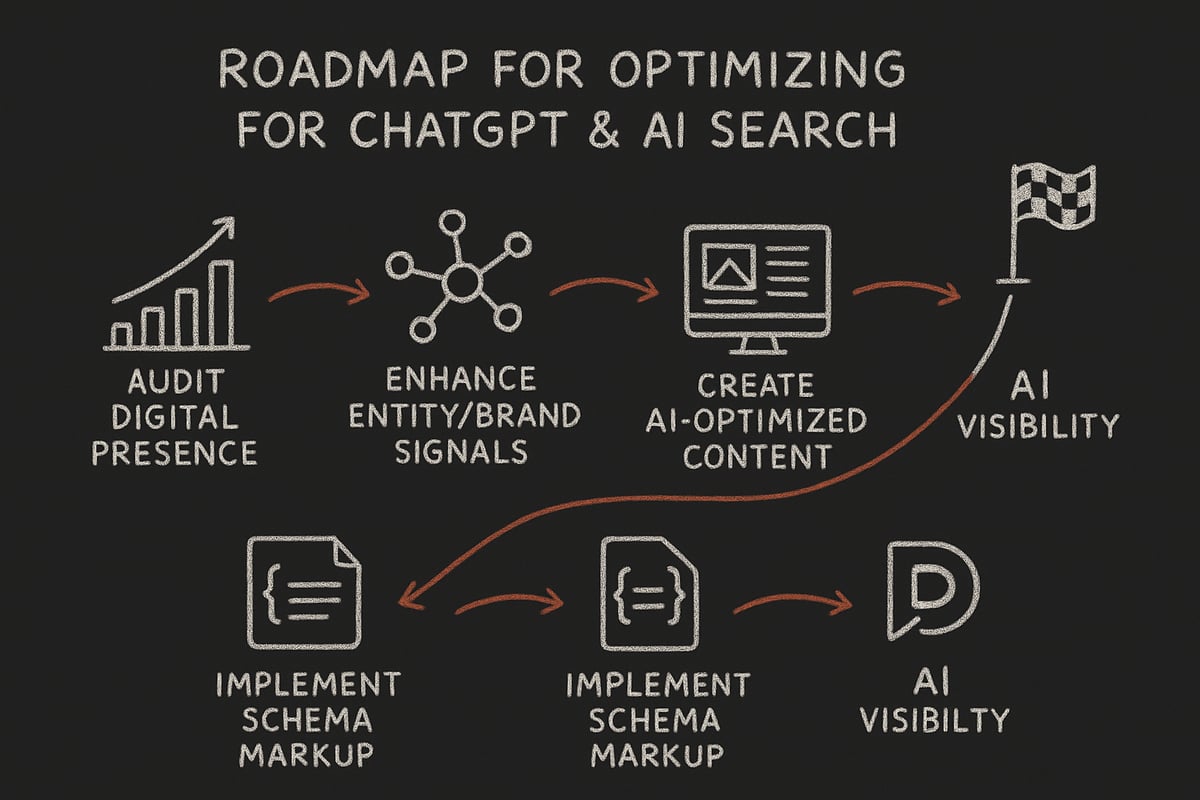
Mastering seo for chatgpt requires a clear, actionable approach. As AI search engines like ChatGPT redefine how information is discovered, brands must adapt. The following five steps will help you build lasting visibility and authority in the world of AI-driven search.
Step 1: Audit Your Digital Presence for AI Visibility
Begin by auditing your online footprint to ensure you are visible to AI engines. Use LLM visibility tools to assess how your brand and entities appear in AI datasets and answer engines. These tools help you identify gaps in coverage and highlight where your content is being cited or missed.
Key actions for a comprehensive audit:
Check for brand and entity mentions in AI-generated answers.
Analyze your presence in ChatGPT and other answer engines.
Review citations and external references to your site.
Regular audits are fundamental to seo for chatgpt. Monitoring your AI visibility allows you to adapt quickly as algorithms and AI search behaviors evolve.
Step 2: Enhance Entity and Brand Signals
Strong entity and brand signals improve your chances of being featured in AI-powered answers. Structure your website with clear schema markup, robust About pages, and consistent NAP (Name, Address, Phone) data. Building authoritative profiles on platforms like Wikidata, Wikipedia, and relevant industry directories is crucial.
To boost your seo for chatgpt strategy:
Encourage third-party mentions and citations from reputable domains.
Ensure all digital assets are up to date and reflect accurate, consistent information.
Monitor brand sentiment and correct inaccuracies promptly.
By reinforcing your entity signals, you increase the likelihood that ChatGPT will recognize and recommend your brand in relevant contexts.
Step 3: Create AI-Optimized, Context-Rich Content
Content tailored for AI engines should be comprehensive, accurate, and easy for machines to interpret. Use a conversational tone, answer-focused formatting (FAQs, how-tos), and semantically related keywords. This approach makes your content more likely to be cited in AI-generated responses.
Consider these best practices for seo for chatgpt:
Structure content with clear headings and logical flow.
Use Q&A formats to address user intent directly.
Leverage tools and services that specialize in SEO and AEO services overview to streamline optimization and stay ahead of AI trends.
Content that is well-organized and authoritative increases your chances of being referenced by ChatGPT and other AI engines.
Step 4: Implement Structured Data & Schema Markup
Implementing schema markup is essential for AI search optimization. Apply Product, FAQ, Organization, and Person schema across your key pages. Keep your feeds and markup updated, especially for ecommerce and product listings.
A quick comparison of schema types for seo for chatgpt:
Schema Type | Use Case | Benefit for AI Search |
|---|---|---|
Product | Ecommerce/Product Pages | Enables direct purchases |
FAQ | Q&A/Help Sections | Improves answer box chances |
Organization | Brand/Company Info | Enhances entity recognition |
Person | Author/Expert Pages | Builds trust and authority |
You can use tools like Google's Rich Results Test or Schema.org generators to validate your implementations. Proper schema helps ChatGPT accurately interpret and surface your content.
Step 5: Monitor, Test, and Iterate for AI Search Performance
Continuous improvement is at the core of seo for chatgpt success. Track AI-driven traffic, brand mentions, and citation frequency using analytics and LLM monitoring tools. Regularly update your content to reflect new trends and user behaviors.
Best practices include:
Analyzing how ChatGPT summarizes your brand.
Soliciting user feedback on AI-generated answers.
Adjusting content and structure based on performance data.
By embracing a test-and-learn approach, your seo for chatgpt strategy will remain effective as AI search technology evolves.
Advanced Strategies for Mastering AI Optimization
Staying ahead in seo for chatgpt requires adopting advanced strategies that go beyond traditional SEO. As AI models like ChatGPT increasingly influence how users find information, brands must proactively engineer their digital presence to be recognized, cited, and trusted by AI-driven engines.
LLM Seeding: How to Get Your Brand Cited by AI Tools
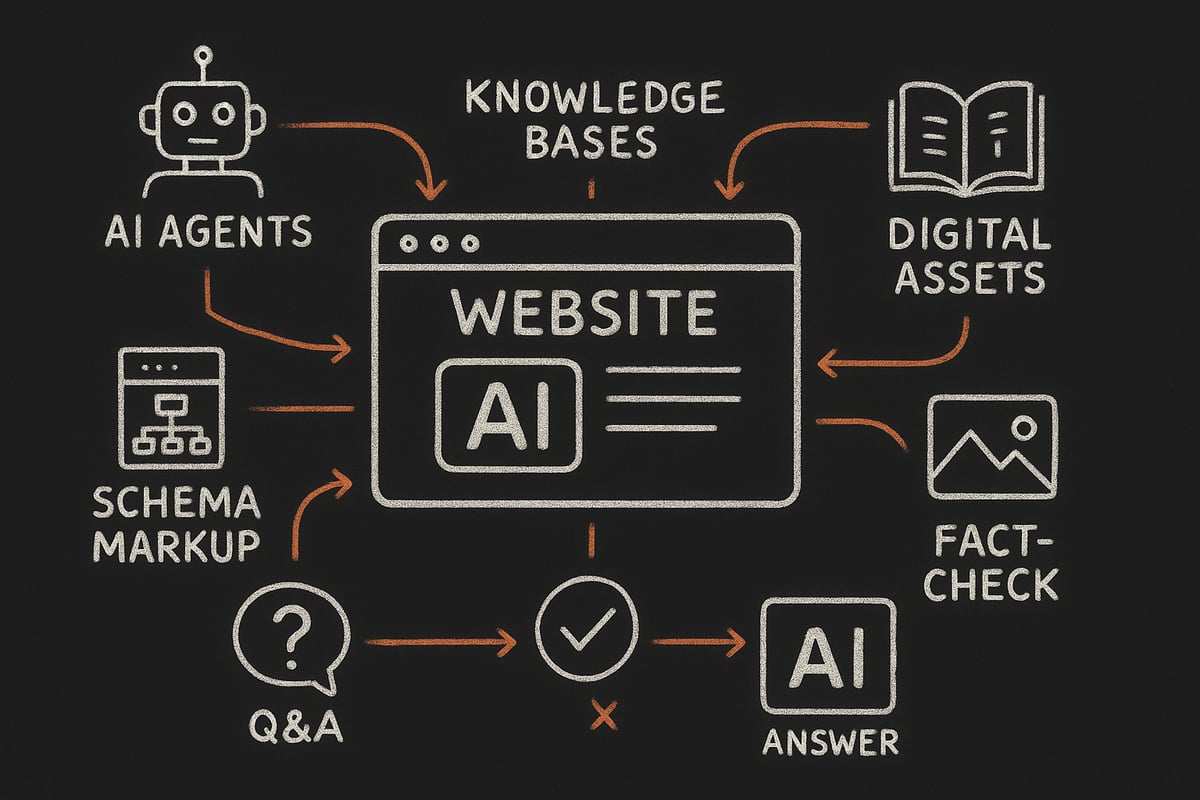
LLM seeding is a foundational tactic for seo for chatgpt, focusing on making your brand and content discoverable to large language models. Start by developing high-quality, authoritative assets that AI models can easily reference. This includes publishing in-depth articles, data-driven studies, and comprehensive guides on your site.
Next, submit structured information about your business to open knowledge bases like Wikidata and schema.org. Ensure your organization, products, and key personnel are well-documented in public directories and databases. Establishing these signals helps AI engines recognize and trust your brand.
Building relationships with industry publications and authoritative websites can further amplify your presence. When trusted sources cite your business or link to your content, it increases the likelihood that AI models will ingest and reference your brand in responses. Consider a case where a SaaS company consistently contributed to industry whitepapers and was listed in multiple tech directories. This proactive LLM seeding led to more frequent brand mentions in ChatGPT answers, boosting their seo for chatgpt visibility.
Answer Engine Optimization (AEO) Techniques
Answer Engine Optimization is essential for brands aiming to excel in seo for chatgpt. Unlike traditional SEO, AEO focuses on structuring content for direct, concise answers that AI models can easily extract and present to users. Start by organizing key pages with clear headings, bullet points, and FAQ sections. Use straightforward language and factual statements to ensure information is both accessible and accurate.
Implementing Q&A formats and structured summaries increases the chance your content appears in answer boxes or zero-click results. For example, optimizing product or service pages with well-formatted FAQs and schema markup can position your brand as a go-to source for ChatGPT’s instant answers.
For further insight, explore these Generative Engine Optimization Strategies to enhance your AEO approach and future-proof your seo for chatgpt efforts. Remember, the goal is to make your content the preferred resource for AI-powered engines, securing top visibility as search behaviors evolve.
Managing AI Hallucinations and Factual Accuracy
As AI adoption grows, managing hallucinations and ensuring factual accuracy is critical for seo for chatgpt. Regularly audit your content for outdated or ambiguous information, updating details as needed. Cite authoritative sources within your articles and use schema markup to reinforce the reliability of your data.
Monitor how ChatGPT and other AI models describe your brand by tracking answer engine outputs and user feedback. If inaccuracies or hallucinations occur, address them by publishing clarifications and correcting errors at the source. Brands that prioritize accuracy and transparency not only protect their reputation but also strengthen their position in the evolving landscape of seo for chatgpt.
Content Creation & Workflow Automation with ChatGPT
The landscape of seo for chatgpt is rapidly changing how content is produced and managed. Brands that harness ChatGPT for scalable workflows gain a competitive edge, producing high-quality content at speed while maintaining relevance for AI-driven search platforms.
Using ChatGPT to Scale SEO Content Production
Leveraging seo for chatgpt means transforming your content workflow. ChatGPT can quickly generate keyword ideas, topic clusters, and outlines, freeing teams from the bottlenecks of manual brainstorming. Marketers use ChatGPT to draft FAQs, meta descriptions, and schema markup at scale, ensuring efficiency and consistency.
Overcoming creative blocks becomes easier with AI as a writing assistant. ChatGPT provides fresh perspectives, varied phrasing, and supports the creation of long-form or pillar content tailored for AI search engines. This approach supports the evolving need for context-rich, conversational answers.
Workflow automation with ChatGPT also allows for rapid content iteration. Teams can test, refine, and deploy new content based on performance insights, keeping pace with changing search trends. For more on how AI is changing strategy, see AI's Transformation of Search Strategies.
Integrating AI With Human Expertise
While seo for chatgpt benefits from AI's speed, human oversight is crucial for maintaining accuracy and brand voice. Editorial review ensures that AI-generated drafts align with your brand's standards and messaging. Fact-checking and tone adjustments are essential to avoid errors or generic language.
A balanced workflow looks like this:
Task | AI Strengths | Human Strengths |
|---|---|---|
Draft Generation | Speed, Variety | Nuance, Relevance |
Fact-Checking | Data Retrieval | Contextual Judgment |
Tone/Brand Voice | Consistency | Personalization |
Combining both creates content that is authoritative, engaging, and optimized for AI-driven search. For deeper insights into this balance, explore AI-Generated Content Trends.
Common Pitfalls and How to Avoid Them
With seo for chatgpt, over-reliance on AI tools can introduce risks. Hallucinations, factual errors, and generic content are common pitfalls. To avoid these, always complement AI drafts with human editorial review and up-to-date research.
Ensure compliance with evolving AI and Google guidelines to prevent issues like duplicate content or search penalties. Maintain originality by tailoring each piece to your audience and industry context.
Successful seo for chatgpt requires ongoing vigilance. Regular audits, feedback loops, and a commitment to content quality will help your brand stand out in an AI-optimized world.
The Future of SEO for ChatGPT: Trends & Predictions for 2026 and Beyond
The landscape of seo for chatgpt is evolving at an unprecedented pace. As AI continues to reshape the way information is discovered and presented, marketers and brands must look ahead to remain competitive. Understanding future trends is essential to adapt strategies and secure long-term digital visibility.
The Evolution of AI Search Algorithms
By 2026, AI search algorithms will be smarter, more adaptive, and deeply integrated with real-time data streams. Large language models will process not only text but also images and voice inputs, ushering in a truly multimodal search experience. Personalized, context-aware answers will become the norm, with AI agents anticipating user needs based on previous interactions.
Staying ahead in seo for chatgpt means tracking these advancements closely. For a deeper dive into how AI models like Gemini are influencing future SEO strategies, explore Gemini SEO and future trends. Brands that embrace these changes early will be best positioned to capture new opportunities as AI search evolves.
Preparing for Ongoing Changes in AI Optimization
Continuous adaptation is vital for effective seo for chatgpt. Marketers must remain agile by monitoring updates to AI search guidelines, investing in ongoing training, and building digital assets that can withstand algorithmic shifts. As AI search becomes more dynamic, a commitment to learning and iterative optimization will be indispensable.
To understand why robust SEO fundamentals are still necessary in this AI-driven landscape, read AI's Impact on SEO in 2025. Staying informed and proactive ensures your content remains relevant and discoverable in the era of AI search engines.
Opportunities and Challenges Ahead
The future of seo for chatgpt brings both exciting prospects and new hurdles. Brands have a chance to own answer spaces and boost their authority through AI citations. However, challenges around data privacy, attribution, and user trust must be addressed.
Opportunities | Challenges |
|---|---|
AI-powered answer ownership | Ensuring data privacy |
Increased brand visibility | Accurate attribution |
Enhanced user engagement | Maintaining trust and credibility |
By 2027, 70% of marketers plan to increase their AI SEO budgets, reflecting the growing importance of strategic investment in this space.
Practical Next Steps for Marketers and Brands
To succeed with seo for chatgpt, marketers should adopt a proactive and experimental approach. Here is a practical checklist to guide ongoing optimization:
Monitor AI-driven traffic and brand mentions regularly
Update content to reflect emerging trends in AI search
Experiment with new content formats and structured data
Encourage feedback to improve AI-generated answers
Stay agile and ready to adapt as algorithms evolve
Brands that quickly embrace these steps consistently achieve higher AI-driven visibility and engagement.
As we look ahead to 2026, it is clear that mastering SEO for ChatGPT and other AI-driven tools is essential for staying visible and relevant. You have seen how optimizing for AI search engines, building strong brand signals, and creating content that resonates with both users and algorithms can set you apart. If you are ready to put these strategies into action and want expert guidance tailored to your business, we are here to help. Let us work together to future proof your brand’s digital presence—Book a free strategy call and start your journey toward AI SEO mastery.

Nik Paprocki
Director of Digital Strategy at WebSuitable
[ Blog ]