Dec 10, 2025
Content
Ecommerce Web Development Company Guide for Success 2026
The ecommerce landscape is changing faster than ever, and by 2026, only those with a strong, future-ready strategy will stand out. Choosing the right ecommerce web development company is now a critical decision for any business that wants to thrive.
This guide delivers expert insights and practical steps to help you select and succeed with your ecommerce web development company. You will explore the latest trends, discover essential features, learn about the impact of AI and automation, and uncover proven strategies for long-term ecommerce success.
The stakes are high in digital commerce. Now is the time to gain an edge, find the right partner, and start planning your ecommerce transformation.
The Ecommerce Web Development Landscape in 2026
The ecommerce landscape in 2026 is set for remarkable expansion, with worldwide online sales projected to surpass previous records. According to global ecommerce growth projections for 2026, digital commerce will continue its upward trajectory, fueled by new technologies and evolving consumer behavior. For any ecommerce web development company, understanding these trends is crucial to staying relevant and competitive.
Global Growth and Market Trends
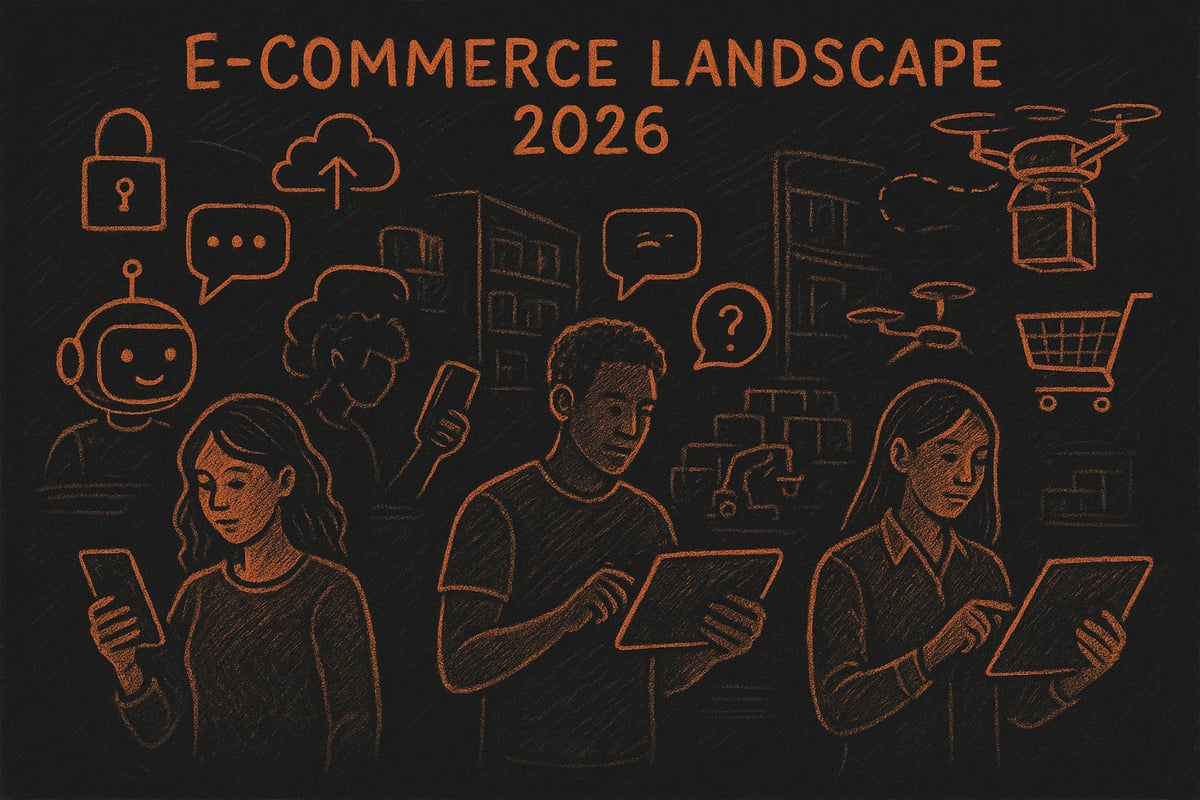
Ecommerce is no longer confined to traditional desktop websites. Mobile commerce is now a dominant force, with shoppers making purchases directly from their smartphones and tablets. Social commerce is also booming, as platforms like Instagram, Facebook, and TikTok integrate seamless shopping experiences. The modern ecommerce web development company must prioritize omnichannel strategies, ensuring that customers enjoy a consistent experience whether they shop via mobile, web, or social channels.
Key Drivers Shaping Ecommerce
A significant driver of change is the rise of AI-first ecommerce platforms. These solutions leverage artificial intelligence to automate processes, personalize shopping experiences, and optimize business operations. Generative AI is enabling sophisticated content creation, while predictive analytics and recommendation engines deliver highly relevant product suggestions in real time. For an ecommerce web development company, integrating these technologies is quickly becoming a baseline expectation.
AI and Automation Transforming Ecommerce
Automation extends far beyond product suggestions. Inventory management, supply chain optimization, and customer service are all being reshaped by AI-powered systems. Major brands are deploying chatbots for 24/7 support and using AI to forecast demand, minimizing stockouts and excess inventory. An ecommerce web development company that can implement these advanced technologies will help clients gain a significant edge in efficiency and customer satisfaction.
Security, Compliance, and Trust
With increased digital transactions come heightened concerns around security and compliance. Cybersecurity is a top priority, as threats become more complex and regulations like GDPR and CCPA continue to evolve. Every ecommerce web development company must ensure robust data protection through SSL encryption, multi-factor authentication, and regular vulnerability assessments. Adapting to changing regulatory landscapes is essential for building consumer trust and avoiding costly breaches.
Evolving Consumer Expectations and Competitive Edge
Today’s online shoppers demand personalization, speed, and a seamless checkout process. They expect instant product recommendations, rapid page loads, and frictionless payment options. Leading ecommerce brands are leveraging technology to differentiate themselves—adopting AI-powered chatbots, optimizing last-mile delivery, and creating immersive digital experiences. For any ecommerce web development company aiming for long-term success, delivering on these consumer expectations is mission-critical.
Essential Steps to Choosing the Right Ecommerce Web Development Company
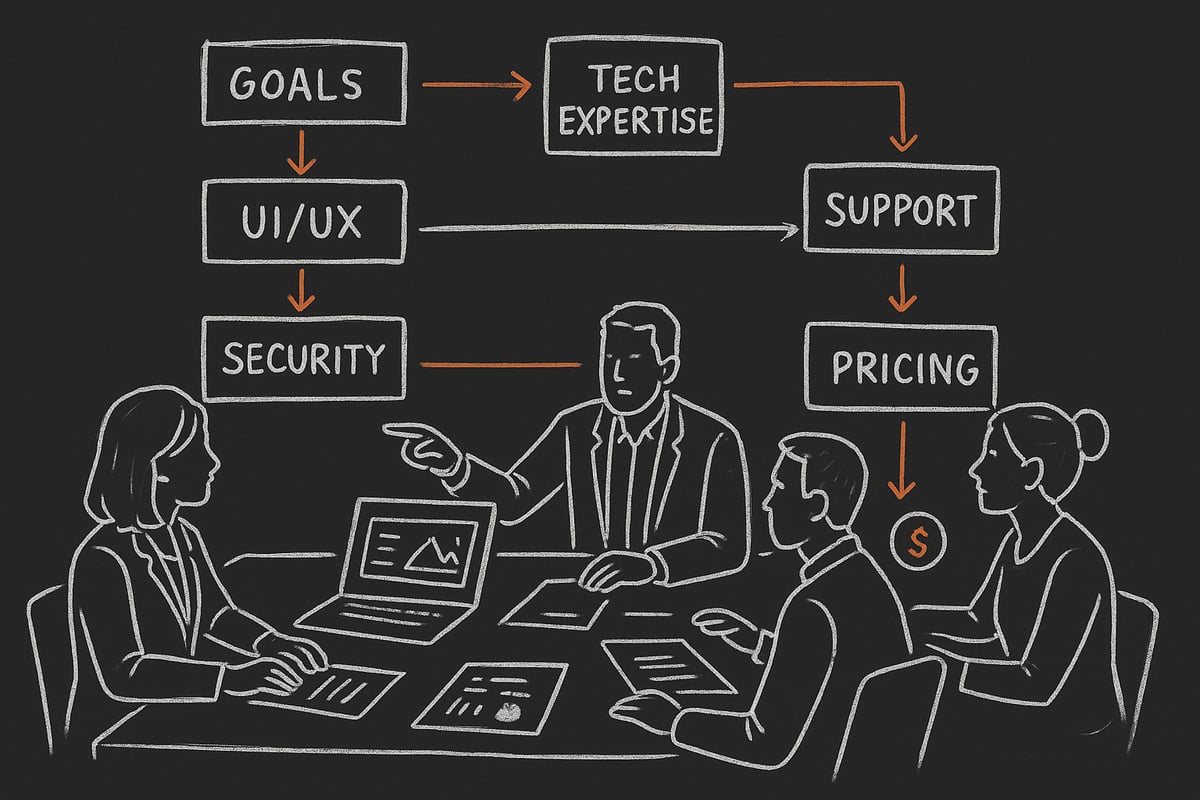
Selecting the right ecommerce web development company is a pivotal decision for your business growth in 2026. With advancing technology and evolving consumer expectations, a stepwise approach ensures you find a partner aligned with your unique needs. Here are the essential steps every business should take before making a final choice.
Define Your Ecommerce Goals and Requirements
Begin by clarifying your business model. Are you operating as B2C, B2B, D2C, or running a multi-vendor marketplace? Each model requires different technical solutions and features from your ecommerce web development company.
Identify must-have features, such as advanced product management, diverse payment gateways, and scalability options. Setting a realistic budget and timeline from the outset helps filter potential partners efficiently.
For example, if you are a retailer aiming for custom AI inventory forecasting, communicate this early. For more detailed planning advice, review these Ecommerce website development insights to set a strong foundation.
Evaluate Technical Expertise and Platform Specialization
Assess the technical skills of each ecommerce web development company you consider. Look for proven experience with platforms like Shopify, Magento, WooCommerce, or Salesforce Commerce Cloud.
Review their portfolio and any relevant case studies, especially those that align with your industry. Ensure their team keeps up with advancements in AI, machine learning, automation, and cloud technologies.
A strong example is a company successfully migrating a client from outdated legacy systems to a modern, cloud-based commerce solution. This showcases both adaptability and technical depth.
Assess UI/UX and Branding Capabilities
User experience is a major driver of online sales and customer loyalty. Evaluate how each ecommerce web development company approaches UI/UX design and branding.
Check their design portfolio for intuitive user journeys and visually compelling interfaces. Strong branding not only creates a memorable experience but also supports conversion optimization.
Read client testimonials to gauge satisfaction with delivered results. For instance, a brand may boost conversions simply by improving navigation and refining visual elements, proving the impact thoughtful design can have.
Consider Integration, Security, and Scalability
Seamless integration with ERP, CRM, and third-party tools is essential for modern ecommerce. Ask how the ecommerce web development company handles security, including SSL, PCI compliance, and data encryption.
Plan for the future by confirming their solutions can scale during traffic spikes or major sales events. A robust infrastructure ensures your site remains secure and stable when demand surges.
For example, a platform that easily manages Black Friday traffic demonstrates preparedness for both security and scalability.
Review Support, Maintenance, and Communication
Ongoing support is vital for long-term success. Investigate how the ecommerce web development company manages updates, troubleshooting, and proactive maintenance.
Look for clear communication processes and the use of project management tools to keep you informed. Review their service level agreements (SLAs) and post-launch services, ensuring you’ll receive timely assistance when needed.
A brand that benefits from regular updates and issue prevention illustrates the value of a proactive support partnership.
Compare Pricing, Contracts, and Value Delivery
Transparent pricing models allow you to compare options effectively. Decide whether a fixed, hourly, or retainer approach best fits your needs, and always understand contract terms and deliverables before signing.
Balance the initial cost with the expected long-term ROI. Sometimes, choosing a value-driven ecommerce web development company over a lower-cost provider leads to better outcomes.
For example, startups often weigh affordable solutions against comprehensive, future-proof services to maximize their investment.
Must-Have Features and Technologies for Ecommerce Success in 2026
Staying competitive in digital commerce requires more than just a visually appealing storefront. The right ecommerce web development company will equip your business with essential features and advanced technologies built for 2026 and beyond. Below, we explore the must-have components every future-ready ecommerce platform should include.
AI-Driven Personalization and Automation
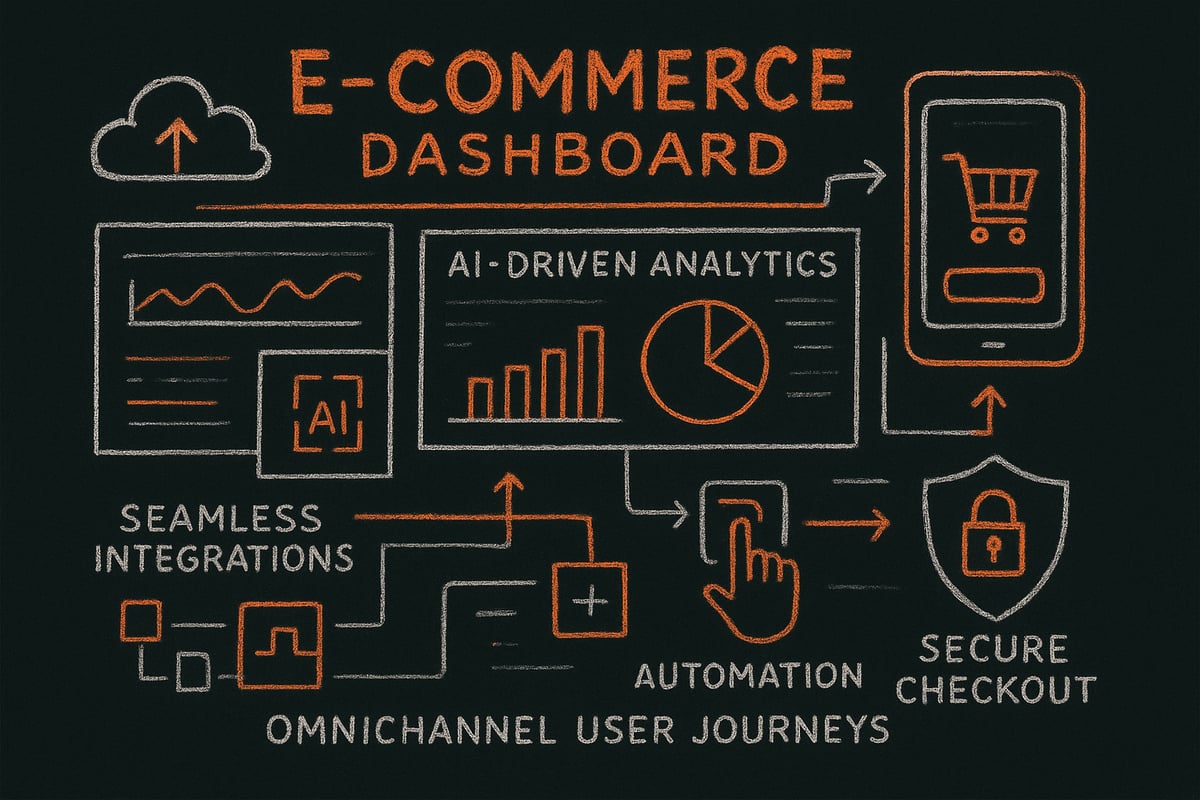
AI-driven personalization is now fundamental for any successful ecommerce web development company. Platforms leverage machine learning to deliver tailored product recommendations, dynamic content, and intelligent chatbots that engage customers 24/7.
Predictive analytics helps optimize inventory and marketing, anticipating demand spikes and personalizing promotions. For example, a retailer using AI-driven upselling can increase average order value by suggesting relevant add-ons at checkout.
Automation also streamlines repetitive tasks, such as order processing and customer segmentation, allowing businesses to scale efficiently. These capabilities ensure that customer experiences are personalized, consistent, and frictionless.
Mobile-First and Omnichannel Experiences
Mobile commerce is expected to dominate by 2026, making responsive design and progressive web apps (PWAs) essential for any ecommerce web development company. Customers expect seamless shopping across devices, from smartphones to tablets, with fast loading times and intuitive navigation.
Omnichannel experiences integrate online, social, and in-store touchpoints, creating a unified customer journey. Features like mobile wallets and social commerce integration further drive engagement. For instance, brands adopting seamless mobile checkouts report higher conversion rates and lower cart abandonment.
Prioritizing mobile-first design ensures your ecommerce business meets evolving consumer expectations and remains competitive in a crowded digital marketplace.
Advanced Security and Compliance
Security is a top priority for every ecommerce web development company. As threats evolve, advanced security features protect both customer data and business reputation. Multi-factor authentication, robust fraud detection, and end-to-end encryption are now standard.
Compliance with GDPR, CCPA, and other data privacy regulations is mandatory. Real-time monitoring and scheduled vulnerability assessments help prevent breaches. For example, businesses with proactive security measures consistently avoid costly incidents and build trust with their customers.
Investing in advanced security not only protects your operations but also reassures users that their data is safe, encouraging repeat purchases and loyalty.
Scalable Cloud Infrastructure and DevOps
A future-ready ecommerce web development company relies on scalable cloud infrastructure to handle traffic spikes and enable rapid growth. Cloud platforms offer high uptime, global reach, and flexible resource allocation, ensuring performance during peak seasons.
DevOps practices, such as continuous integration and continuous deployment (CI/CD), accelerate feature releases and reduce downtime. For instance, marketplaces using cloud-native architectures can scale effortlessly during seasonal surges.
Adopting these technologies supports business agility, allowing you to respond quickly to market changes and customer demands without sacrificing reliability or speed.
Seamless Integrations and API Connectivity
Seamless integration with ERP, CRM, and marketing automation tools is critical for operational efficiency. An ecommerce web development company should prioritize open APIs and middleware solutions to connect your store with logistics, payment gateways, and third-party apps.
These integrations streamline workflows, automate order fulfillment, and synchronize customer data across platforms. For example, a D2C brand automating CRM sync and fulfillment experiences fewer errors and faster delivery.
To explore the full potential of feature-rich integrations, consider reviewing ecommerce solutions and technology that enable robust connectivity and automation for your business.
The Role of AI, Automation, and Next-Gen Solutions in Ecommerce
Artificial intelligence and automation are redefining ecommerce, setting new standards for efficiency, personalization, and scalability. For any ecommerce web development company, adopting these next-gen solutions is no longer optional but essential for staying competitive.
AI Services: Predictive Analytics, Chatbots, and Recommendation Engines
AI is at the heart of digital commerce transformation. Predictive analytics enables businesses to anticipate trends and make data-driven decisions. Chatbots deliver 24/7 customer support, resolving queries instantly and improving engagement.
Recommendation engines personalize shopping experiences by analyzing customer behavior and preferences. Many leading ecommerce web development company teams now integrate these AI services to boost conversions and drive loyalty. For a deeper dive, explore AI-powered personalization in ecommerce, which highlights how these tools are shaping the future.
Automation in Inventory, Supply Chain, and Marketing
Automation streamlines critical ecommerce processes. Automated inventory forecasting predicts stock needs, minimizing both shortages and excess. In the supply chain, smart systems coordinate warehouses and delivery, reducing costs and improving speed.
Marketing automation personalizes campaigns based on real-time customer data. An ecommerce web development company leverages these tools to help brands reduce manual workload, cut errors, and scale operations efficiently.
Visual Technologies: Computer Vision and AR/VR
Emerging visual technologies are revolutionizing product discovery. Computer vision enables visual search, letting customers find products using images instead of keywords. Augmented reality (AR) and virtual reality (VR) allow shoppers to virtually try on products or explore immersive showrooms.
For brands, integrating AR/VR can differentiate their offerings and boost engagement. An ecommerce web development company with expertise in these areas helps brands create memorable, interactive experiences that drive sales.
Security Automation and DevSecOps
With rising cyber threats, security automation is a top priority. Tools for automated vulnerability scanning and real-time monitoring detect and address threats before they escalate. DevSecOps practices embed security into every stage of development, ensuring compliance and data protection.
A forward-thinking ecommerce web development company prioritizes these solutions, protecting both the business and its customers. This proactive approach builds trust and safeguards brand reputation.
Future Trends: Blockchain, Voice Commerce, and IoT
The future of ecommerce is shaped by disruptive technologies. Blockchain offers tamper-proof transactions and transparent supply chains. Voice commerce is gaining traction as consumers embrace smart assistants for shopping. The Internet of Things (IoT) enables hyper-personalized experiences by connecting devices and collecting real-time data.
Partnering with an innovative ecommerce web development company ensures your business is ready to adopt these trends, positioning you ahead of the curve in a rapidly evolving market.
WebSuitable: Your Partner for Future-Proof Ecommerce Development
Choosing the right ecommerce web development company is crucial for lasting digital success. WebSuitable stands out with deep expertise in custom ecommerce design, branding, and scalable development.
Our Human + AI approach blends creativity with the latest technology, ensuring your online store is modern and conversion-focused. From custom web design services to UX/UI, SEO, and digital marketing, we deliver end-to-end solutions tailored to your business needs.
With 350+ successful projects and a 98% client retention rate, our transparent process and ongoing support help you stay ahead. Ready to future-proof your ecommerce growth? Contact WebSuitable for a discovery call.
Strategies for Long-Term Ecommerce Growth and Success
Achieving sustained growth in ecommerce requires more than just launching a store. The strategies below will help you future-proof your business, ensure adaptability, and maximize the value from your ecommerce web development company partnership.
Building a Scalable and Adaptable Ecommerce Platform
To stay competitive, your ecommerce web development company must deliver solutions that scale as you grow. Modular architecture and microservices allow you to add new features and channels quickly. Consider adopting headless commerce and API integration for flexibility, letting your team update frontends without disrupting the backend.
Plan for internationalization from the start. Multi-currency and multilingual support simplify global expansion. For example, a retailer using a modular platform can launch localized sites for different regions with ease. This adaptability is key for thriving in the ever-changing ecommerce landscape.
Leveraging Data and Analytics for Continuous Improvement
Data-driven decision-making is a cornerstone of success. Your ecommerce web development company should implement robust analytics tools that track sales, user journeys, and marketing ROI. Dashboards with clear KPIs allow you to spot trends and pivot quickly.
A/B testing is essential for optimizing product pages and checkout flows. By continuously analyzing customer behavior, you can identify friction points and refine the user experience. For instance, a brand that adjusts promotions based on real-time analytics often sees increased sales and higher customer retention.
Omnichannel Marketing and Customer Engagement
Modern consumers expect seamless experiences across all touchpoints. An ecommerce web development company can help you integrate email, SMS, social media, and content marketing into a unified strategy. Consistent branding and messaging foster trust and loyalty.
Personalization is critical. Use customer data to segment audiences and tailor campaigns to their lifecycle stage. For example, a retailer combining targeted emails with retargeting ads often boosts repeat purchases. Omnichannel engagement turns one-time buyers into loyal brand advocates.
Agile Development and Continuous Innovation
Rapid iteration is vital in today’s fast-paced market. An ecommerce web development company that uses agile methodologies can quickly release new features and respond to feedback. Short development cycles reduce time-to-market for enhancements and bug fixes.
Continuous innovation relies on frequent user testing and data collection. For example, a marketplace that rolls out new features based on shopper feedback typically sees higher engagement. Agile practices ensure your platform evolves alongside customer expectations.
Investing in Ongoing Support and Maintenance
Long-term ecommerce success depends on reliable support. Your ecommerce web development company should offer regular updates, security patches, and performance optimizations. Proactive maintenance prevents downtime and protects your revenue.
Clear communication and defined service level agreements (SLAs) are essential. Brands that invest in managed services often enjoy greater uptime and faster issue resolution. Ongoing support builds a stable foundation for scaling your ecommerce operations.
Expanding with Emerging Technologies and Partnerships
Staying ahead means embracing innovation. Your ecommerce web development company should explore technologies like AR/VR, IoT, and voice commerce. Strategic partnerships with logistics, fintech, or technology providers can add value and differentiate your offerings.
For example, launching an AR-powered shopping experience can set your brand apart in a crowded market. Collaborating with experts ensures smooth integration and maximizes the impact of new solutions.
Measuring and Optimizing Customer Experience
Gathering customer feedback is crucial for improvement. Use reviews, surveys, and analytics to identify pain points and opportunities. Your ecommerce web development company should help implement tools that capture and analyze this data.
Implementing changes based on insights, such as streamlining checkout or enhancing navigation, can increase Net Promoter Scores and loyalty. For specialized support, explore UI/UX design for ecommerce to elevate the customer journey. Continuous optimization ensures your store meets evolving expectations and drives lasting growth.
Case Studies: Real-World Ecommerce Success Stories
Real-world examples showcase how the right ecommerce web development company can drive transformative results. These success stories highlight innovations in AI, mobile, security, omnichannel, and automation. Each demonstrates how strategic technology choices lead to measurable growth, improved customer experiences, and long-term competitive advantage.
AI-Driven Personalization and Revenue Growth
A leading fashion retailer partnered with an ecommerce web development company to harness AI-driven personalization. By integrating advanced recommendation engines and dynamic content, customers received tailored product suggestions in real time. These efforts led to a significant increase in average order value and higher customer retention rates.
The company leveraged predictive analytics to optimize cross-selling and upselling opportunities. As a result, conversion rates rose by 18 percent, and repeat purchases grew steadily. This case proves how a data-focused ecommerce web development company can turn personalization into profit and lasting loyalty.
Seamless Mobile Commerce Transformation
A global beauty brand recognized the need for a frictionless mobile experience. They chose an ecommerce web development company skilled in creating responsive, high-performing mobile solutions. By launching a Progressive Web App, the brand delivered an app-like experience with lightning-fast load times and offline capabilities.
The impact was immediate. Mobile traffic surged by 35 percent, and bounce rates dropped. For more insight into Progressive Web Apps in ecommerce, see how top brands are transforming user experience. The right ecommerce web development company ensures mobile shoppers convert seamlessly, boosting engagement across channels.
Secure, Scalable Marketplace Launch
A startup sought to disrupt the marketplace sector and needed a robust, secure platform from day one. Their chosen ecommerce web development company prioritized security, scalability, and compliance. Advanced measures such as multi-factor authentication, PCI-compliant payments, and real-time monitoring protected both vendors and buyers.
The marketplace scaled rapidly, onboarding dozens of vendors each month. Zero security incidents were reported, even during high-traffic events. This case demonstrates how a security-first ecommerce web development company can support rapid growth without compromise, providing peace of mind for all stakeholders.
Omnichannel Integration for Customer Loyalty
A regional electronics retailer aimed to unify their online and offline channels. They partnered with an ecommerce web development company that specialized in omnichannel solutions. The integration connected inventory, loyalty programs, and customer data across physical stores and digital platforms.
Customers enjoyed seamless experiences, from in-store pickup to real-time order tracking. Repeat purchases increased by 22 percent, and cross-channel engagement soared. This example highlights how an experienced ecommerce web development company can create unified journeys that drive long-term loyalty and higher lifetime value.
Automation in Supply Chain and Fulfillment
An established D2C brand wanted to improve fulfillment speed and inventory management. They engaged an ecommerce web development company to implement AI-powered automation for their supply chain. Automated forecasting and real-time stock updates reduced manual errors and prevented stockouts.
Delivery times shortened by 25 percent, while inventory costs dropped. The company also integrated with logistics partners for end-to-end visibility. Through automation, the ecommerce web development company enabled efficient operations, freeing resources for growth and customer service improvements.
As you look ahead to 2026, navigating ecommerce web development can feel overwhelming—but you do not have to do it alone. We have explored the trends, essential features, and strategies that set successful brands apart, and it all starts with building a strong digital foundation. Whether you are aiming for seamless integrations, future proof design, or growth driven marketing, the right partner makes a world of difference. If you are ready to map out your next steps and see how your business can thrive in this evolving landscape, I invite you to Book a free strategy call.

Nik Paprocki
Director of Digital Strategy at WebSuitable
[ Blog ]