Dec 17, 2025
Content
7 Must-See Branding Website Ideas for 2026
Branding websites are not just evolving in 2026, they are redefining what it means to stand out online. As competition intensifies, a cutting-edge branding website is essential for any business aiming to capture attention and build trust. This article spotlights seven must-see branding website ideas that are setting new benchmarks for the future. You will discover the latest design trends, interactive experiences, and AI-driven personalization shaping digital branding. Ready to get inspired? Explore these groundbreaking ideas and see how a modern branding website can elevate your brand above the noise.
Why Branding Websites Matter in 2026
A branding website is more than a digital brochure. In 2026, it is the foundation of how businesses present themselves to the world, influencing trust, loyalty, and growth. Understanding why a branding website matters is crucial for any organization aiming to stand out.
The Role of Branding Websites in Modern Business
A branding website is the digital face of any organization. It shapes first impressions, builds credibility, and serves as the main hub for brand storytelling. In fact, website design influences credibility with 75% of users judging a company’s trustworthiness based on its website.
Consider brands that have transformed their image through a strategic branding website redesign. Consistent messaging and digital storytelling across platforms help strengthen brand recall. A well-crafted branding website not only attracts but also retains customers, fostering loyalty and trust in a crowded digital environment.
Trends Shaping Branding Website Design in 2026
Branding website design in 2026 is driven by a wave of innovation. Immersive, interactive experiences using WebGL and 3D graphics are becoming mainstream. AI-driven personalization tailors each user’s journey, making every branding website experience unique.
Minimalist aesthetics, bold typography, and fresh color palettes set brands apart. Accessibility and inclusive design are now essential, ensuring every visitor can engage with the branding website. Micro-animations, video, and motion graphics boost engagement, keeping users interested and informed.
Key Elements of High-Impact Branding Websites
Every impactful branding website shares several core elements. A consistent visual identity—logo, color schemes, typography, and imagery—creates instant recognition. Seamless navigation and intuitive UX are must-haves for any branding website to succeed.
Strategic storytelling, supported by real case studies, builds an emotional connection with visitors. Fast load times, mobile responsiveness, and technical optimization are non-negotiable. Trust signals like testimonials and social proof further enhance the branding website’s authority and appeal.
Measuring Branding Website Success: Metrics & KPIs
Evaluating a branding website’s effectiveness requires tracking the right metrics. Key performance indicators include bounce rate, average session duration, conversion rates, and brand recall. Tools like Google Analytics and Hotjar offer valuable insights into user behavior and engagement patterns.
A/B testing and ongoing optimization ensure the branding website continues to improve over time. Brands that invest in regular site updates often see measurable growth, increased conversions, and higher customer loyalty. Setting clear KPIs allows teams to refine their branding website for maximum impact.
7 Must-See Branding Website Ideas for 2026
The future of the branding website is being shaped by bold innovation, immersive design, and a relentless focus on user experience. In 2026, these seven must-see branding website ideas are setting new benchmarks for digital presence and brand storytelling. Each example below illustrates how you can elevate your own branding website, whether you’re in healthcare, tech, entertainment, law, or creative industries.
Omnitech – Healthcare Branding UI Design
Omnitech stands out as a leading example of a branding website tailored for the healthcare industry. The site features animated banners that immediately engage visitors and a calming, health-focused color palette. Together, these elements foster trust and communicate care, which is critical in healthcare branding.
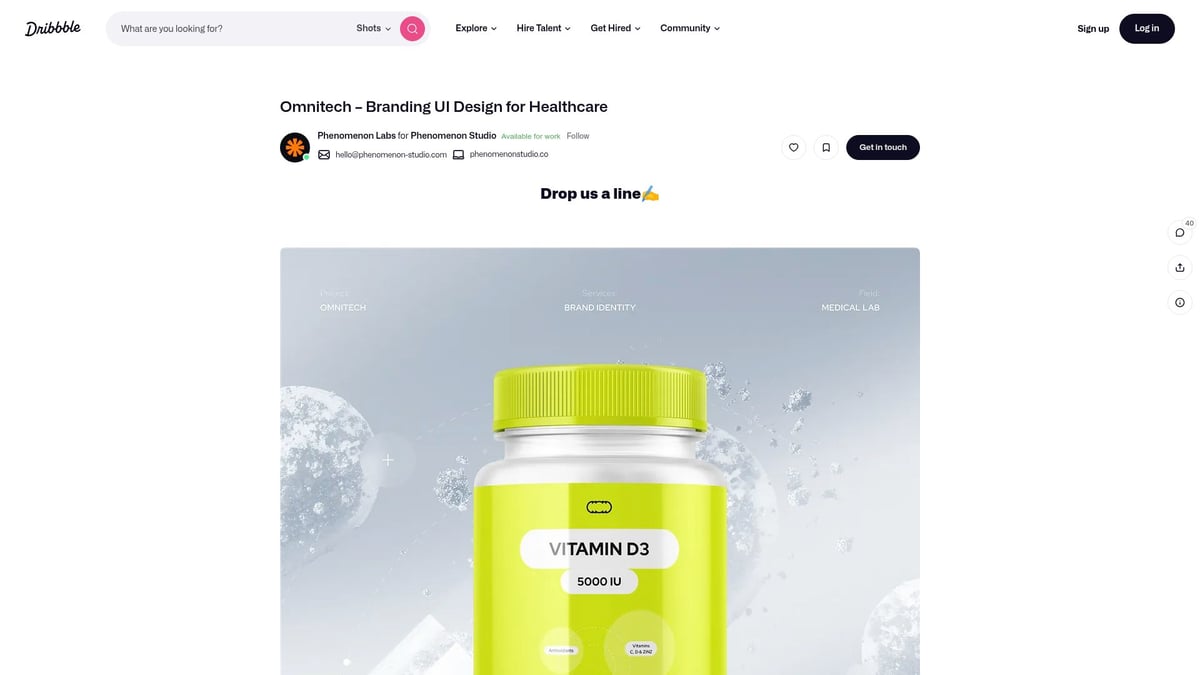
Key features of the Omnitech branding website include a modern, clean UI, seamless mental health integration, and creative medical illustrations. These choices create a unique identity that sets Omnitech apart from competitors. The design is not only visually appealing but also highly user-friendly, which increases patient engagement and helps clinics build stronger relationships with their audiences.
This branding website is ideal for healthcare providers, health tech startups, and clinics looking to launch new health apps or undergo a brand refresh. The intuitive navigation and industry-specific visuals ensure that users can find information quickly and feel confident in the brand’s expertise.
Pros:
Visually appealing layout
User-centric design
Industry-focused content
Cons:
May need frequent updates to remain compliant with healthcare regulations
A real-world example: after implementing interactive features, a clinic saw a notable rise in patient engagement and online appointment bookings. For organizations in healthcare, adopting a similar branding website approach can drive measurable results and foster trust.
Brand Archive
Brand Archive is a curated platform that provides deep insights into real branding projects. This branding website dives into the details of logo creation, color palette development, and brand system architecture. It also offers downloadable resources, making it a valuable tool for anyone involved in branding.

A key benefit of Brand Archive is its mix of free and premium content. Users can explore high-quality projects from diverse industries, which is ideal for designers, agencies, marketers, and branding teams seeking inspiration or benchmarking ideas. The site’s unique selling point lies in its behind-the-scenes access, breaking down why certain branding decisions were made and how they impacted business outcomes.
The intuitive interface and detailed project breakdowns make Brand Archive a go-to resource for brand refreshes, competitive analysis, and creative brainstorming. Agencies often use this branding website to refine their client strategies or to gather examples for pitches.
Pros:
Wide industry coverage
Detailed, actionable case studies
Easy-to-navigate library
Cons:
Some premium content is gated behind a paywall
For example, an agency used Brand Archive to benchmark a client’s branding against industry leaders, resulting in a more strategic and successful brand refresh. If you want your branding website to offer real value and insight, Brand Archive’s approach is worth emulating.
Phenomenon Studio – IT Company Rebranding
Phenomenon Studio showcases how a branding website can drive transformation for IT companies. Their rebranding project emphasizes digital growth, scalable design, and strategic storytelling. The modern UI/UX, paired with clean layouts, demonstrates a commitment to professionalism and future-proofing.
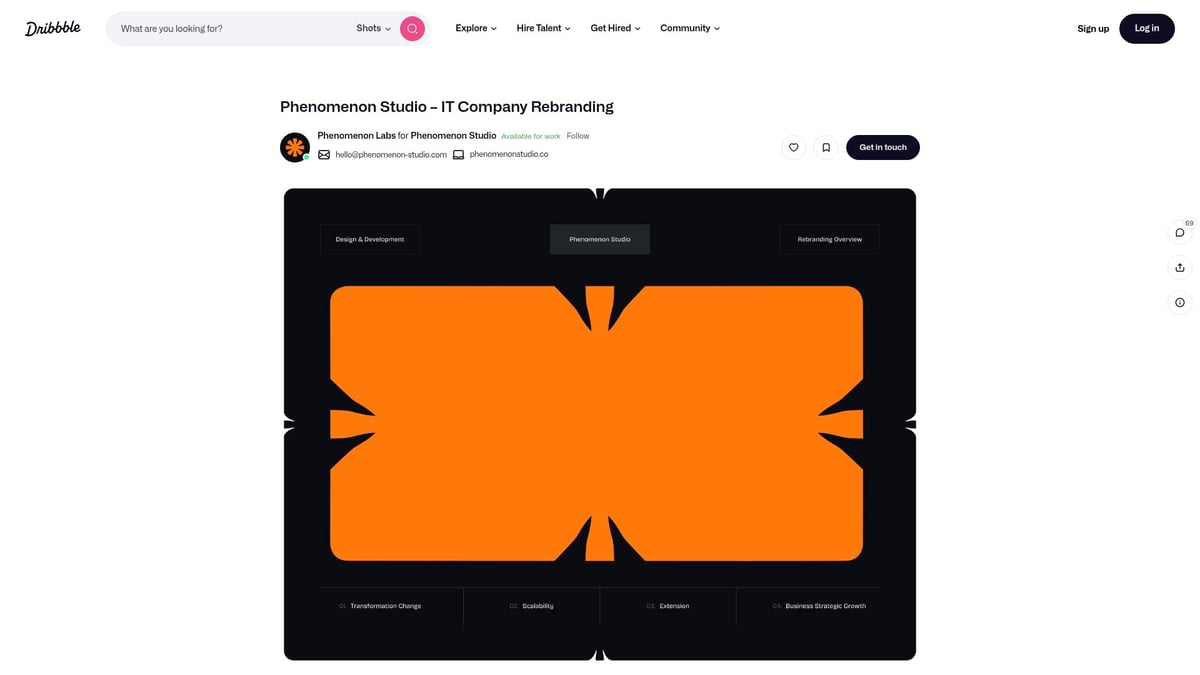
This branding website is tailored for IT firms, SaaS companies, and digital agencies navigating rebrands, mergers, or acquisitions. The site’s structure highlights the journey of transformation, showing how a refreshed digital presence can reposition a company for global markets.
Key features include interactive case studies, streamlined navigation, and a consistent visual identity that reinforces trust. The site leverages storytelling to connect with both clients and stakeholders, illustrating tangible business outcomes.
Pros:
Professional, scalable design
Focus on digital growth
Strong narrative elements
Cons:
May appear overly corporate for creative or lifestyle brands
A recent example: an IT firm used Phenomenon Studio’s branding website approach to successfully re-enter international markets, resulting in increased inquiries and higher brand recall. If your goal is to scale and modernize, this branding website model offers a clear blueprint.
Awwwards
Awwwards is a globally recognized platform that celebrates excellence in branding website and web design. The site features award-winning projects, detailed expert reviews, and community-driven voting systems, making it a trendsetter for digital creatives.
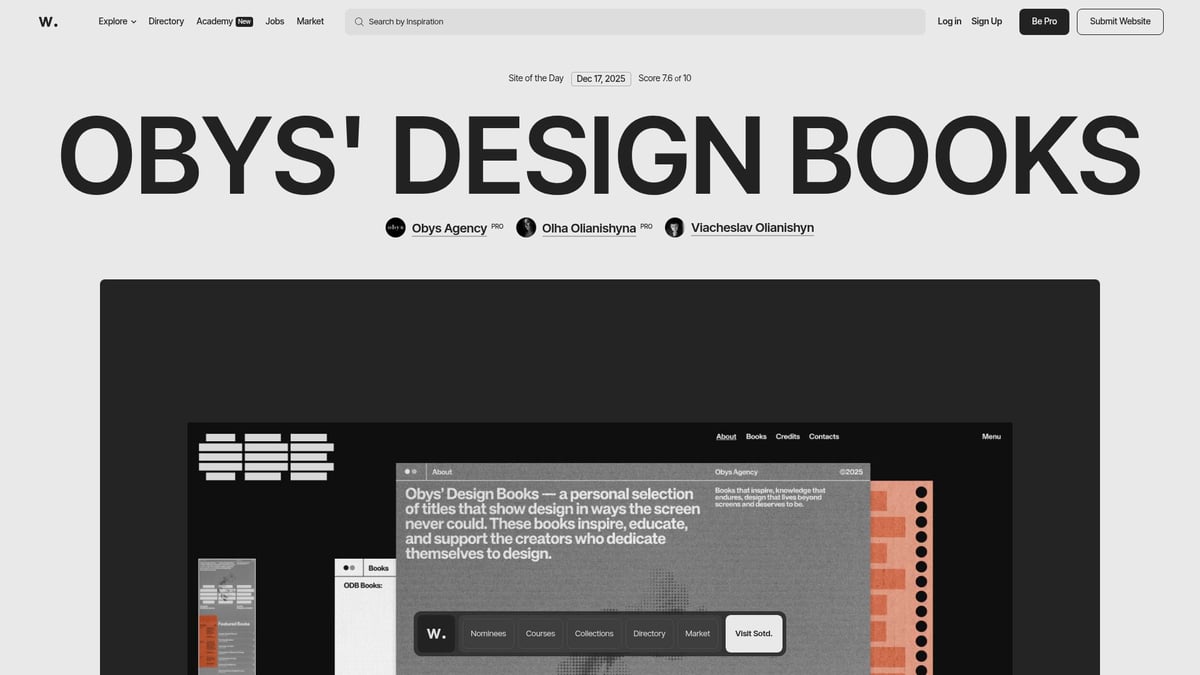
What sets Awwwards apart is its focus on cutting-edge design, immersive 3D visuals, and innovative motion graphics. These elements not only make the branding website visually stunning but also enhance user engagement and interactive experiences. For those interested in the latest trends, the Immersive 3D web experiences showcased on Awwwards offer a glimpse into the future of digital branding.
Awwwards is used by designers, creative directors, and brand managers as a source of inspiration, trend research, and benchmarking. The platform’s “Site of the Day” feature spotlights top-tier branding website projects, providing daily motivation for agencies and freelancers.
Pros:
High-quality, diverse global projects
Detailed critiques and feedback
Robust community engagement
Cons:
Can be overwhelming for newcomers due to sheer volume of content
Agencies often reference Awwwards when pitching innovative branding website ideas to clients, ensuring their proposals are rooted in current industry standards and emerging trends.
Loopcast – Game Streaming Branding Design
Loopcast exemplifies how a branding website can capture the energy and creativity of the gaming industry. The site uses futuristic branding elements, anime-inspired visuals, and bold color schemes to create a dynamic, memorable experience.
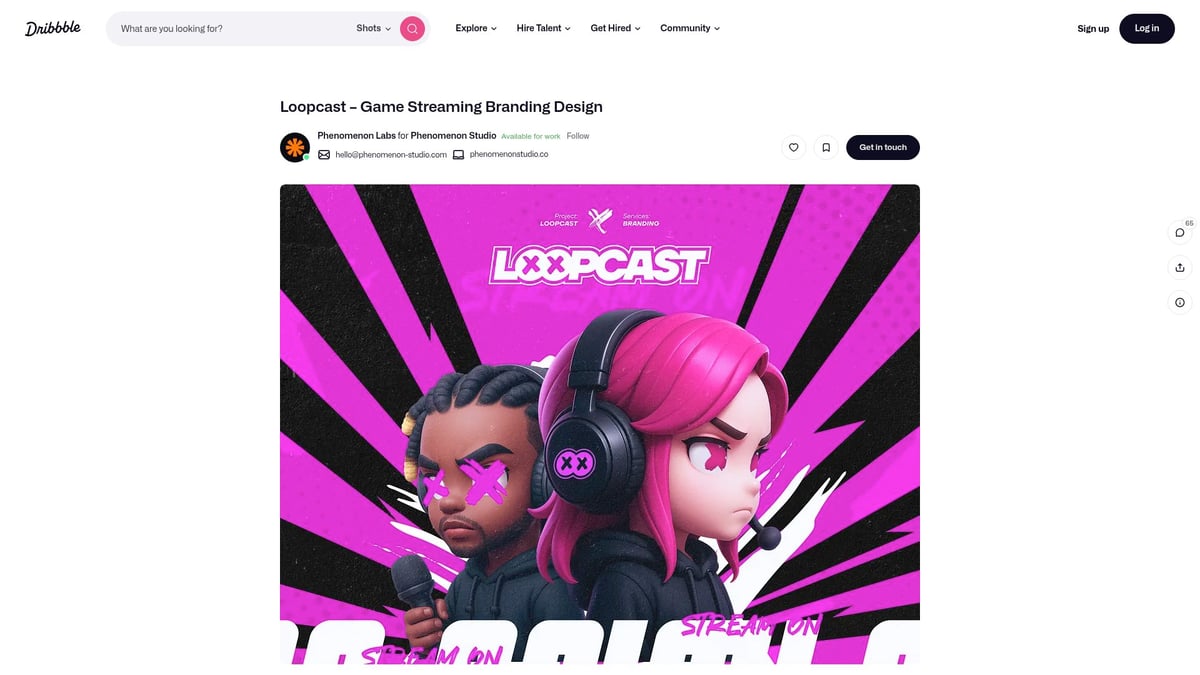
The branding website features a tech-centric logo, interactive UI components, and fantasy elements that appeal to digital-native audiences. These visuals are designed to engage users from the moment they land on the homepage, making it ideal for streaming platforms, gaming startups, and esports brands.
Loopcast’s unique selling points are its highly engaging design and on-trend aesthetic, which help brands stand out in a crowded market. The site is optimized for influencer branding, new platform launches, and community-building initiatives.
Pros:
Visually dynamic and bold
Appeals to younger audiences
Strong fantasy and tech elements
Cons:
Niche appeal; may not translate well to other industries
A game streaming startup adopted Loopcast’s branding website approach and quickly attracted a loyal base of early adopters. If your target market is digital-first and visually oriented, this style of branding website is a smart choice.
BP&O
BP&O is a leading resource for in-depth analysis of branding and packaging projects. Unlike many visual-focused sites, BP&O’s branding website emphasizes strategic insights, case studies, and the rationale behind design choices.
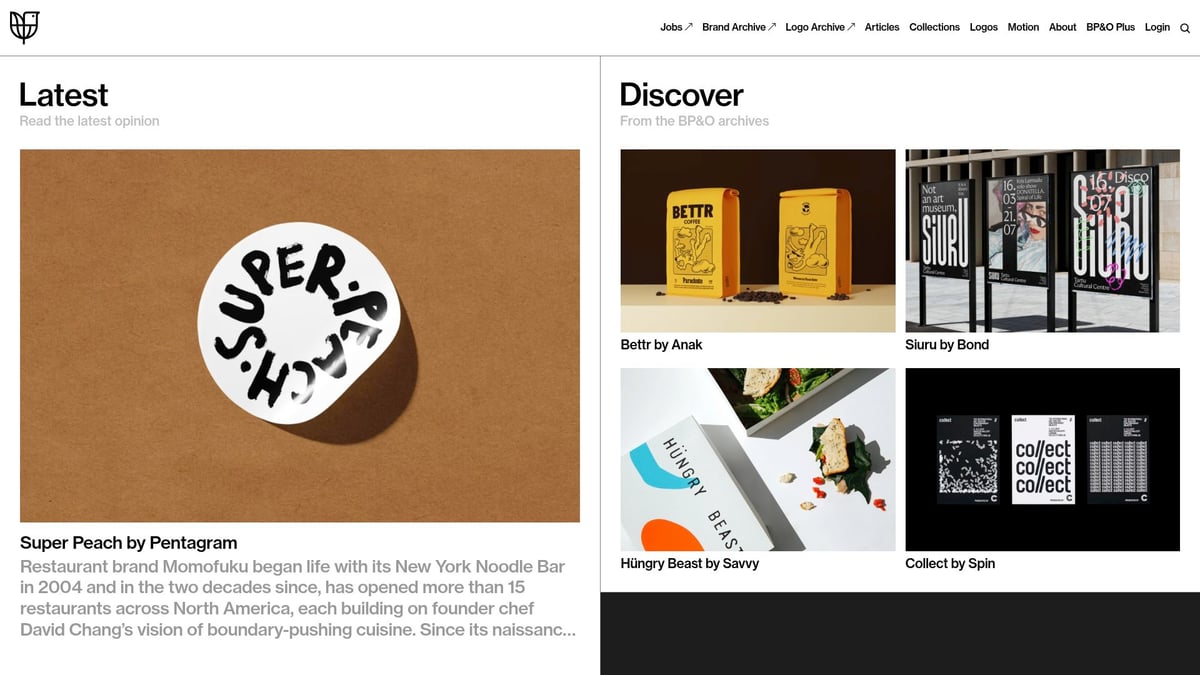
This branding website is particularly valuable for brand strategists, designers, marketers, and packaging teams. It covers a wide range of industries, offering thoughtful commentary on everything from logo evolution to packaging refreshes. The focus on the “why” behind branding decisions sets BP&O apart as a learning tool.
BP&O’s analytical approach makes it ideal for developing brand strategy, preparing for packaging redesigns, or educating teams on best practices. While the site pays less attention to interactive web features, its deep dives into brand storytelling and design intent are unmatched.
Pros:
Analytical, educational content
Broad industry coverage
Emphasis on strategic thinking
Cons:
Minimal focus on interactive or web-based elements
For example, a CPG brand used BP&O’s insights to inform their packaging redesign, resulting in stronger shelf presence and improved customer feedback. If you value the strategic side of branding website design, BP&O is a must-see resource.
Legal Point – Law Firm Landing Page Design
Legal Point demonstrates how a branding website can build authority and trust in the legal sector. The site features a layered UI that blends vintage and modern design elements, creating a distinctive identity for law firms and legal consultants.
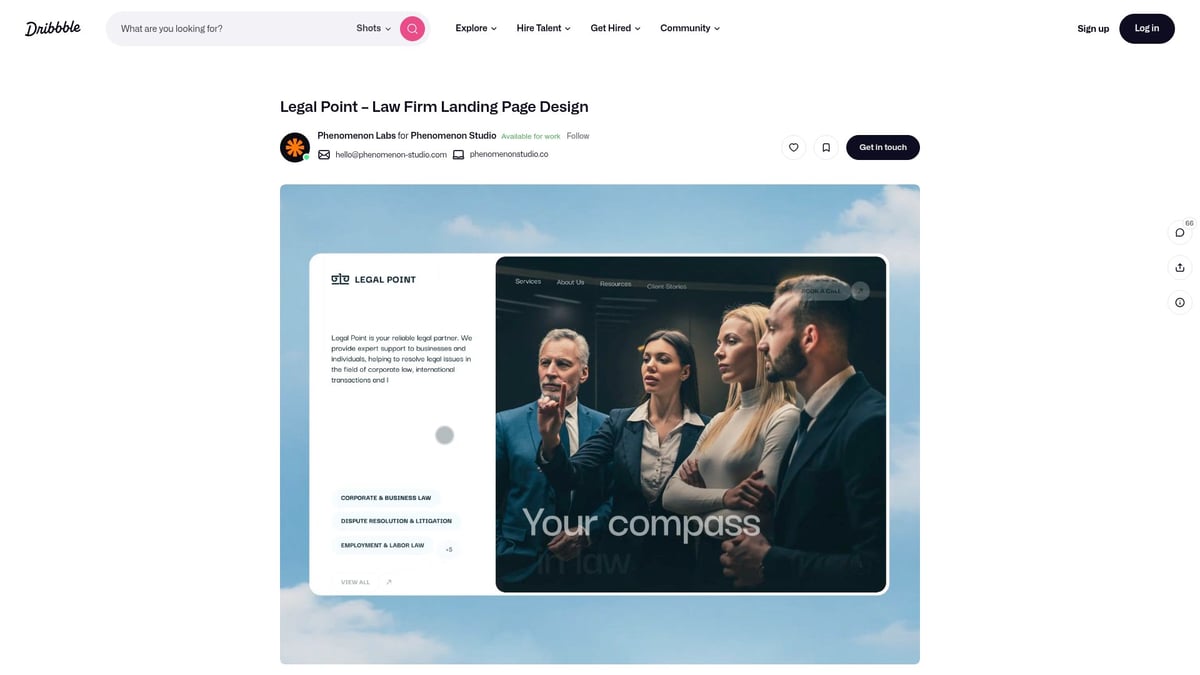
Key features include strong brand presentation, legal iconography, and a creative agency feel. This branding website is tailored to law firms, legal tech startups, and corporate advisors seeking to communicate expertise and build credibility online.
The branding website’s structure is optimized for clear messaging, intuitive navigation, and strong calls-to-action. It is ideal for law firms seeking to increase client inquiries or legal tech companies launching new services.
Pros:
Authoritative and trust-building
Sector-specific design
Professional brand presentation
Cons:
May lack creative flair for brands outside the legal industry
A law firm saw a significant rise in client inquiries after relaunching their branding website with Legal Point’s approach. For those in the legal sector, this model ensures your digital presence reflects your professionalism and expertise.
How to Choose the Right Branding Website Approach for Your Brand
Selecting the right branding website approach is crucial for long-term business growth. Brands must carefully evaluate their needs, resources, and long-term goals before committing to a path. The following framework will help you make informed, strategic decisions for your next branding website project.
Assessing Your Brand’s Needs and Goals
Start by defining what your branding website needs to accomplish. Identify your core audience, their expectations, and the standard practices within your industry. Is your goal to drive lead generation, build brand awareness, share your story, or showcase a portfolio?
Next, audit your current branding assets. Are your logo, messaging, and visual identity consistent across all touchpoints? Setting clear, measurable objectives for your branding website—such as increasing conversions or improving engagement—will guide your decisions.
Look at brands that successfully aligned their branding website with their business goals. For example, a SaaS company might prioritize user onboarding and demos, while a creative agency might focus on visual storytelling. This alignment ensures your branding website delivers real business value.
Evaluating Features, Budget, and Scalability
Compare the features you truly need for your branding website. Consider custom UI, advanced animations, a robust content management system, and integration with tools like CRM or analytics platforms.
Balance your budget with anticipated return on investment and long-term scalability. Factor in ongoing maintenance, future content updates, and the ability to evolve as your brand grows. Evaluate how competitors structure their branding website and benchmark industry standards to avoid missing critical features.
A practical case study: A startup launched with a simple branding website but built in scalability, allowing seamless upgrades as their audience and offerings expanded. Planning for growth from the outset ensures your branding website remains effective.
Collaborating with Agencies vs. DIY Platforms
Decide whether to build your branding website with an expert agency or use a DIY platform. Agencies offer strategic guidance, creative expertise, and full-service support, ideal for complex branding needs or ambitious goals. DIY platforms are suitable for startups or small businesses with limited resources, offering flexibility and quick deployment.
Consider the pros and cons:
Agencies: Custom solutions, strategic input, ongoing support.
DIY: Lower cost, faster setup, more control.
If your project requires unique branding elements or advanced features, collaborating with professionals, such as those offering branding and graphic design services, can be invaluable. Reflect on examples of brands that thrived through agency partnerships, but also be mindful of potential pitfalls, such as misaligned expectations or underestimated project scope.
Branding Website Design Best Practices for 2026
Staying ahead in 2026 means your branding website cannot afford to be average. As digital competition intensifies, following best practices is no longer optional—it is essential for building trust, engagement, and lasting brand impact.
Below, we break down the four pillars every modern branding website must master to excel in the years ahead.
Prioritizing User Experience and Accessibility
A successful branding website in 2026 starts with people. Accessibility is not just a legal requirement, but a business advantage. Sites must meet WCAG standards, providing alt text for all images and ensuring high color contrast for readability.
Responsive layouts adapt to any device, ensuring everyone can engage with your brand.
Streamlined navigation helps users find what they need with minimal effort.
Accessible features like keyboard navigation and screen reader compatibility foster inclusivity.
Brands that prioritize accessibility report higher engagement and broader reach. A branding website designed for everyone will drive loyalty and trust.
Integrating AI and Automation for Personalization
Artificial intelligence is transforming how branding website experiences are delivered. By leveraging AI-driven personalization, brands can tailor content, visuals, and calls-to-action for each visitor. This results in a more relevant and engaging experience.
AI chatbots assist users in real time, improving support and satisfaction.
Automated content updates keep information fresh and targeted.
User segmentation allows for dynamic, adaptive layouts.
Learn more about AI-driven personalization in web design to see how leading brands are staying ahead of user needs. Integrating these tools ensures your branding website feels personal and future-ready.
Leveraging Storytelling and Visual Consistency
Compelling narratives set great branding websites apart. Every page should reinforce your core message, using consistent logo placement, color schemes, and expressive type.
Case studies and testimonials build trust through real stories.
Interactive media and visuals make your message memorable.
Consistency across touchpoints boosts brand recall.
For inspiration on using bold, modern type, review the latest expressive typography in branding trends. Visual storytelling combined with unified design elements makes your branding website unforgettable.
Optimizing for Performance and SEO
Speed and searchability are the backbone of any effective branding website. Fast load times reduce bounce rates, while technical SEO ensures your brand is visible to the right audience.
Optimize images and code for quick performance.
Use schema markup to enhance search listings.
Design mobile-first to meet user expectations everywhere.
Brands that invest in Core Web Vitals and regular technical audits see measurable improvements in traffic and engagement. A well-optimized branding website supports both user experience and business growth.
FAQs: Branding Websites in 2026
What makes a branding website stand out in 2026?
A successful branding website in 2026 goes beyond visuals. It blends interactive design, personalized content, and compelling storytelling to create memorable experiences. Brands that invest in modern UI and accessibility set themselves apart. For more on emerging design expertise, explore our UI/UX design studios overview. Continuous optimization ensures your branding website remains both innovative and effective.
How much should you invest in a branding website?
Investment in a branding website depends on your industry, goals, and desired features. Costs can range widely, from affordable DIY platforms to high-end agency solutions. Focus on expected ROI and the value a strong digital presence brings. Compare competitor pricing, but remember, quality and scalability often justify a larger initial investment for long-term success.
How often should you refresh your branding website?
Aim to refresh your branding website every two to three years. If your business pivots, technology advances, or audience needs shift, consider an earlier update. Timely redesigns keep your brand relevant and aligned with current trends. Many leading brands have seen measurable improvements in engagement and conversions after updating their branding website.
What are common mistakes to avoid?
Avoid these pitfalls when building a branding website:
Inconsistent brand visuals or messaging
Poor mobile experience or slow load times
Neglecting accessibility for all users
Overusing animations, which can distract visitors
Stay focused on clarity, intuitive navigation, and a unified brand identity. These steps help your branding website deliver value and build trust.
How do you measure branding website success?
Track performance using analytics tools to monitor traffic, engagement, and conversions. Key metrics include bounce rate, average session duration, and brand mentions. Set clear KPIs and review them regularly. Agencies often use data-driven insights to refine strategies and drive growth, ensuring your branding website delivers real, measurable results.
If you’re inspired by these forward-thinking branding website ideas for 2026 and wondering how your own brand can stand out in a rapidly evolving digital world, you’re not alone. Elevating your online presence goes far beyond design trends—it’s about creating a seamless experience that builds trust, showcases your unique value, and drives real growth. At WebSuitable, we specialize in transforming brands with creative design, smart strategy, and results-driven marketing. If you’re ready to explore how these insights can work for your business, let’s talk about your goals and next steps. Book a free strategy call

Nik Paprocki
Director of Digital Strategy at WebSuitable
[ Blog ]