Dec 5, 2025
Content
9 Game-Changing Marketing Designs to Elevate Your Brand in 2026
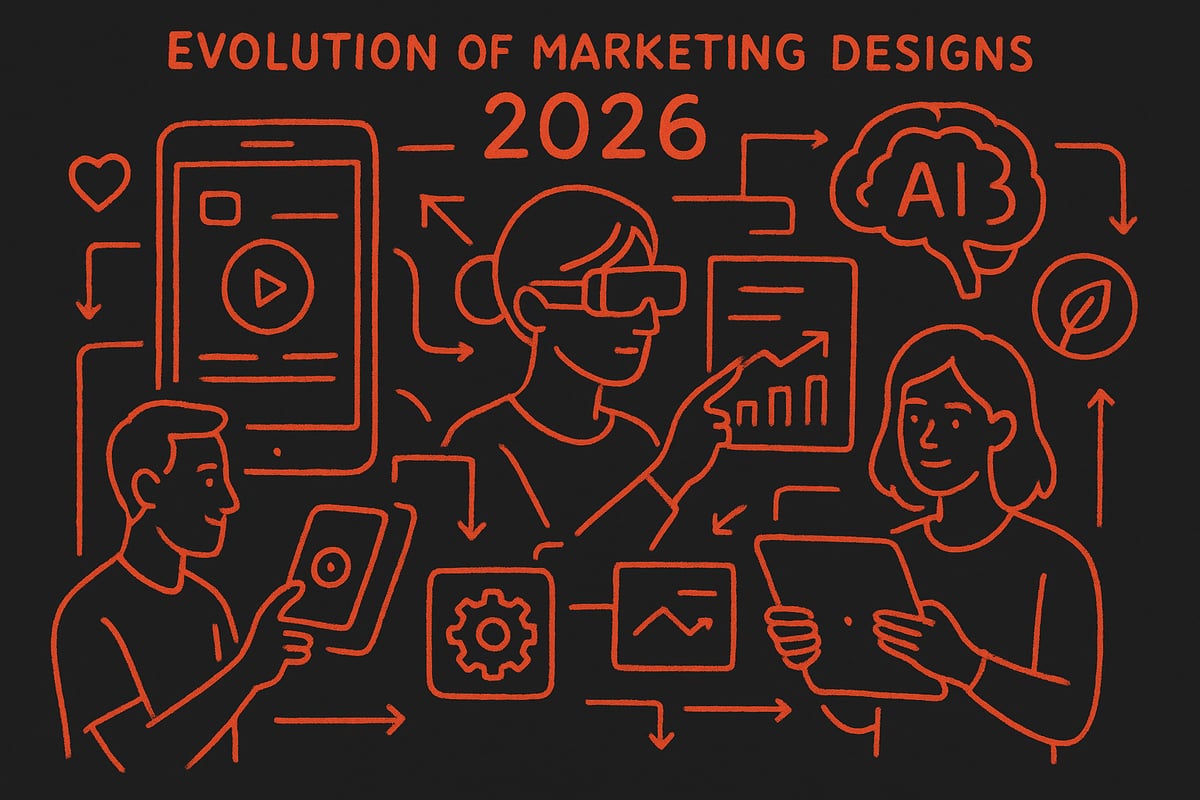
The world of marketing designs is transforming at lightning speed as 2026 approaches, challenging brands to keep pace or risk falling behind. Innovative marketing designs have become the driving force behind brand differentiation and measurable growth in a crowded digital marketplace.
This article reveals 9 game-changing marketing designs set to shape the coming year. Each strategy will help your brand stand out, forge stronger audience connections, and deliver real results. Ready to elevate your approach? Discover how these insights can inspire action and position your brand for success in 2026.
Why Marketing Design Will Define Brand Success in 2026
The marketing landscape in 2026 is evolving at an unprecedented pace. Digital transformation is reshaping how brands communicate, making marketing designs a critical lever for success. As emerging technologies become more accessible, brands can no longer rely on outdated visuals or generic campaigns.
Modern consumers expect more from marketing designs than ever before. They crave immersive, authentic, and interactive experiences that resonate on a personal level. Brands that deliver these experiences are rewarded with higher engagement and deeper loyalty. Interactive content, from live polls to AR product demos, is now standard for brands aiming to connect meaningfully with their audiences.
Artificial intelligence and automation are revolutionizing marketing designs. Data-driven personalization allows brands to craft visual narratives and campaigns tailored to each user’s preferences and behaviors. AI tools analyze vast amounts of data, enabling marketers to optimize layouts, colors, and content in real time. This level of customization transforms how brands engage audiences and increase conversion rates.
Omni-channel consistency is another cornerstone of impactful marketing designs. Consumers interact with brands across multiple platforms, from social media to in-store displays. Maintaining seamless, recognizable design elements across all touchpoints fosters trust and reinforces brand identity. Consistency not only builds credibility but also ensures that the brand story remains cohesive, regardless of where the audience encounters it.
The influence of marketing designs on trust, loyalty, and conversion cannot be overstated. Research consistently shows that strong design correlates with improved business performance. For example, brands with robust creative strategies outperform competitors by up to 219% on the S&P Index. According to Impact of Design on Brand Performance, companies investing in strategic design see higher ROI, increased customer retention, and greater market share.
Recent campaigns in 2025 illustrate the transformative power of breakthrough marketing designs. Viral successes, such as interactive product launches and immersive AR events, have set new standards for audience engagement. These campaigns blend creativity with cutting-edge technology, demonstrating how innovative design can drive measurable results.
However, adopting new marketing designs comes with challenges. Brands often struggle with creative fatigue, resource constraints, and the pressure to stay ahead of trends. The rapid pace of design innovation can overwhelm teams, leading to inconsistent execution or diluted messaging. Overcoming these hurdles requires a commitment to continuous learning, cross-functional collaboration, and a willingness to experiment.
In summary, marketing designs are no longer just about aesthetics. They are a strategic asset that defines brand success in 2026. By embracing digital transformation, prioritizing personalization, and maintaining omni-channel consistency, brands can build trust, foster loyalty, and achieve sustainable growth.
9 Game-Changing Marketing Designs to Elevate Your Brand in 2026
The world of marketing designs is evolving faster than ever. As 2026 approaches, brands seeking real differentiation must embrace bold, innovative strategies that go beyond surface visuals. This section curates nine transformative marketing designs, each selected for its impact, uniqueness, scalability, and relevance to the challenges and opportunities of the coming year.
Our criteria focus on approaches that not only capture attention but also drive measurable results and foster authentic connections. Whether you are reimagining your website, launching a campaign, or refining your brand identity, these marketing designs will help you stand out and thrive.
Stay ahead of the curve by exploring expert insights like those found in Design Trends 2026: An Expert's Take, which further highlight the importance of adopting innovative design strategies.
1. Hyper-Personalized Interactive Experiences
Hyper-personalization is reshaping marketing designs by tailoring every interaction to individual user preferences. Brands now leverage interactive content such as quizzes, product configurators, AR overlays, and real-time website personalization to create immersive journeys. These experiences are not just engaging but also foster deeper loyalty.
Nike’s customized shopping flows and Netflix’s adaptive recommendations are standout examples of brands excelling in this arena. They use AI, machine learning, and behavioral analytics to deliver content and products that resonate with each user.
The benefits of hyper-personalized marketing designs include:
Increased engagement and time spent on site
Higher conversion rates and purchase intent
Stronger brand loyalty and advocacy
Statistics show that personalized experiences can boost ROI by up to 8x compared to generic campaigns. However, implementation requires robust data collection, privacy compliance, and seamless integration across channels. Focus on transparency and user control to overcome these challenges and unlock the full potential of hyper-personalized marketing designs.
2. Motion-First Branding & Micro-Animations
The shift from static to dynamic branding is a defining trend within marketing designs. Micro-animations, animated logos, and kinetic typography infuse digital assets with energy, making brands more memorable and engaging. For instance, Spotify’s animated playlists and Google’s interactive Doodles exemplify how motion can elevate storytelling.
Motion-first marketing designs work because movement naturally draws the human eye, increasing attention and recall. Animated visuals have been shown to boost user engagement by 45% over static images.
Key considerations when implementing motion in marketing designs:
Balance animation with usability and accessibility
Ensure motion complements, not distracts from, core messaging
Optimize for device performance and loading speed
Ideal use cases include social media graphics, website banners, and mobile app interfaces. For more on these trends, explore Marketing Site Design Trends for additional inspiration.
3. Sustainable & Ethical Design Aesthetics
Sustainability and ethics are now central to successful marketing designs. Consumers increasingly demand eco-friendly materials, minimalist visuals, and transparent brand messaging. Brands like Patagonia and Ben & Jerry’s set the standard by using recycled materials and advocating for social causes.
Modern sustainable marketing designs often feature:
Earth-tone color palettes and natural textures
Responsible packaging and reduced waste
Honest, transparent storytelling in visuals and copy
Data reveals that 81% of consumers expect brands to be environmentally responsible, making ethical design a business imperative. By embedding sustainability into marketing designs, brands build trust, enhance reputation, and foster long-term loyalty. Authenticity is key, so ensure your design choices align with your brand’s values and actions.
4. AI-Generated Visuals & Content
AI-generated visuals are transforming marketing designs by enabling rapid, diverse content creation at scale. Tools like Midjourney, DALL-E, and Adobe Firefly empower brands to produce dynamic ad visuals, personalized illustrations, and adaptable assets in real time.
The advantages of integrating AI into marketing designs include:
Cost efficiency and reduced production timelines
Creative diversity beyond traditional methods
Swift adaptation to trends and audience preferences
However, marketers must address concerns around originality, copyright, and brand consistency. A recent survey found that 61% of marketers plan to increase AI-generated content budgets in 2026, reflecting growing confidence in the technology. To maximize benefits, establish clear guidelines for AI use and regularly review outputs to ensure alignment with your brand’s core identity and marketing designs.
5. Immersive Augmented Reality (AR) Campaigns
Augmented reality is revolutionizing marketing designs by blending digital and physical experiences. Brands like IKEA, Snapchat, and Sephora use AR to let users visualize products in their space, try on cosmetics virtually, or engage with branded filters.
The technology stack behind AR marketing designs includes platforms like ARKit, WebAR, and mobile-first frameworks. AR campaigns typically deliver 70% higher engagement than traditional digital ads.
Benefits of AR-driven marketing designs:
Enhanced product visualization for complex or customizable items
Interactive storytelling that encourages exploration and sharing
Viral potential through social media integration
Challenges include development costs, device compatibility, and user adoption. To succeed, prioritize intuitive user interfaces and align AR content with your brand’s narrative and goals. Test campaigns thoroughly to ensure seamless experiences across devices.
6. Data-Driven Modular Design Systems
Modular design systems are at the heart of agile marketing designs. By using reusable components and flexible layouts, brands can rapidly iterate and maintain visual consistency across channels. Leading examples include Airbnb and IBM’s Carbon Design System.
Data analytics play a crucial role in optimizing modular marketing designs. Real-time performance insights guide A/B testing and personalization, ensuring each component delivers maximum impact.
Advantages of modular marketing designs:
Scalability for growing product lines or campaigns
Streamlined workflows and faster time-to-market (up to 60% reduction)
Consistent brand identity across touchpoints
To build a robust system, map out all brand assets, define clear design guidelines, and regularly update components based on analytics. Integration with personalization engines further enhances the effectiveness of modular marketing designs.
7. Inclusive & Accessible Branding
Inclusive marketing designs ensure that your brand is accessible to everyone, regardless of ability or background. This approach encompasses accessibility, cultural sensitivity, and authentic representation. Standards like WCAG 2.2 provide a framework for accessible digital experiences.
Brands such as Microsoft and Apple lead by example, incorporating features like high color contrast, alt text for images, readable typography, and diverse imagery.
Consider these benefits of inclusive marketing designs:
Expanded audience reach, including the 15% of the global population with disabilities
Improved brand perception and customer loyalty
Reduced legal risk and compliance with accessibility laws
Best practices include usability testing with diverse users, regular accessibility audits, and embedding inclusivity into every design decision. By prioritizing accessibility, marketing designs become more effective and welcoming for all.
8. Story-Driven Visual Narratives
Storytelling is a cornerstone of compelling marketing designs. Visual narratives—through formats like interactive timelines, animated explainers, and sequential social posts—build emotional connections and foster brand loyalty. Airbnb’s “Belong Anywhere” and Nike’s athlete journeys are prime examples.
Story-driven marketing designs offer:
Higher brand recall and trust (22x more memorable than product-focused ads)
Increased advocacy and organic sharing
Opportunities for authentic, value-driven communication
To craft engaging narratives, combine strong visuals with relatable characters and clear arcs. Authenticity is essential, so ensure stories align with your brand’s mission and audience values. Overcome creative fatigue by drawing inspiration from real customer experiences and feedback.
9. Bold Typography & Maximalist Color Schemes
Expressive typography and vibrant color palettes are making a comeback in marketing designs. Oversized fonts, custom typefaces, and multi-color gradients inject personality and make brands instantly recognizable. Companies like Duolingo, Figma, and Spotify Wrapped demonstrate how bold design choices drive engagement.
The psychological impact of color and typography is profound. Color alone influences 85% of purchase decisions, while bold type enhances memorability and emotional resonance.
Tips for using maximalist marketing designs:
Balance vivid colors with white space for readability
Choose typefaces that reflect your brand’s tone and values
Maintain coherence across digital and print assets
For deeper insights, research on the effects of logo color on brand status perceptions can inform strategic design choices, ensuring your marketing designs achieve the desired impact.
How to Implement Game-Changing Designs in Your Brand Strategy
Successfully integrating game-changing marketing designs into your brand strategy requires a thoughtful, structured approach. In 2026, the pace of innovation demands brands move beyond surface-level updates and embrace holistic transformation. Whether you are revamping your entire visual identity or testing new interactive features, a clear roadmap will help ensure your investments deliver measurable results.
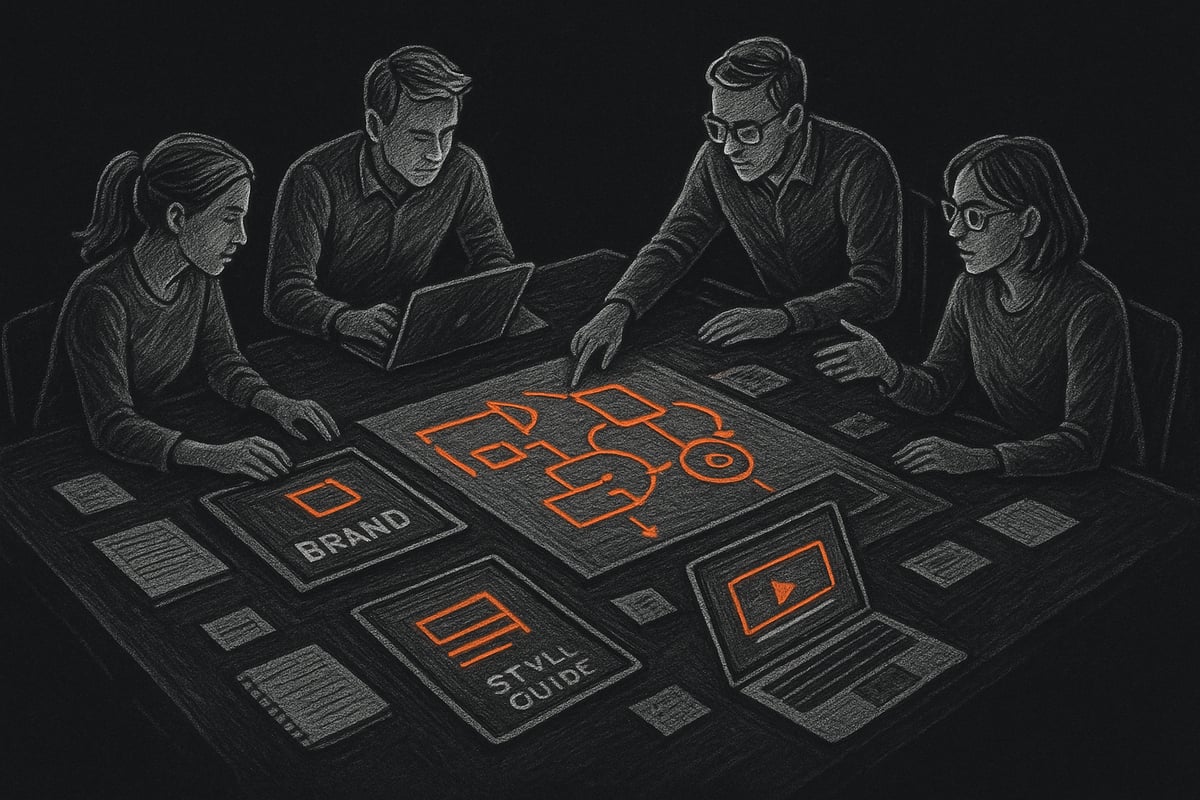
Step-by-Step Guide to Adopting Marketing Designs
Begin by auditing your current brand assets and identifying gaps. Map out where innovative marketing designs can have the most impact, from website interfaces to packaging. Next, prioritize initiatives based on business goals, available resources, and potential ROI. Develop a timeline with clear milestones, ensuring each phase allows for feedback and refinement.
Build cross-functional teams that include marketing, design, and technology experts. This collaboration fosters diverse perspectives and ensures a seamless rollout across all touchpoints. Consider piloting new concepts in controlled environments before a full-scale launch.
Align Design with Brand Goals and Audience Insights
Every marketing designs initiative must align with your brand’s core values and target audience preferences. Use data-driven personas, customer journey mapping, and market research to inform design decisions. This ensures your visuals resonate and drive desired actions.
Leverage analytics to pinpoint which touchpoints need improvement. Consistent, relevant marketing designs across channels not only strengthen brand recognition but also build trust with your audience.
Test, Measure, and Iterate for Lasting Impact
Effective marketing designs are never static. Establish robust testing protocols, such as A/B testing or user feedback sessions, to evaluate the performance of new elements. Track key metrics like engagement, conversions, and brand sentiment to assess impact.
Iterate quickly based on insights, optimizing designs for different platforms and audience segments. Document your learnings to inform future campaigns and foster a culture of continuous improvement.
Collaborate, Utilize Tools, and Avoid Common Pitfalls
Cross-functional collaboration is essential. Encourage open communication between creative, marketing, and tech teams for seamless execution. Take advantage of platforms like Figma, Canva, or Adobe Creative Cloud to streamline workflows and maintain consistency.
When in need of specialized expertise, consider partnering with professionals who offer Branding and Graphic Design Services to ensure your marketing designs are both innovative and on-brand.
Be aware of common pitfalls, such as neglecting accessibility, overcomplicating visuals, or failing to adapt to feedback. Study how leading brands and creative design agencies have navigated these challenges, learning from both their successes and mistakes.
By following a structured, collaborative process and leveraging the right tools and expertise, your brand can confidently implement marketing designs that drive differentiation and growth in 2026.
As you explore these nine transformative marketing design trends for 2026, you might be wondering how to weave them seamlessly into your own brand strategy. The journey from inspiration to measurable results requires thoughtful planning and a tailored approach. If you’re ready to elevate your brand with innovative design, digital marketing, and proven growth tactics, we’re here to guide you every step of the way. Let’s discuss your unique goals and uncover the best path forward—simply Book a free strategy call to get started.

Nik Paprocki
Director of Digital Strategy at WebSuitable
[ Blog ]